
Opening Summary
As the global market continues to grapple with geopolitical tensions, Brazil finds itself at the intersection of several economic forces that are shaping the investment landscape. The ongoing conflict in the Middle East has not only driven up oil prices but is also threatening to disrupt agricultural commodities, a critical sector for Brazil. This escalation poses both risks and opportunities for investors eyeing the Brazilian market. In corporate news, major Brazilian companies like Americanas and Casas Bahia are making strategic moves that could influence their market positions. Meanwhile, the broader economic environment is being watched closely as inflationary pressures and interest rate shifts continue to loom large.
For foreign investors, understanding these dynamics is crucial. The interplay between geopolitical events, commodity markets, and corporate strategies in Brazil offers a complex yet potentially rewarding investment landscape. Keeping an eye on these developments can help in making informed decisions about where and how to allocate investments in Brazilian assets.
Main News Stories
Commodities and Geopolitical Tensions
The escalation of the conflict between the U.S. and Iran has significantly impacted global oil prices and now threatens to affect agricultural commodities. The potential disruption of logistic chains and higher input costs could lead to increased prices for key agricultural goods. This situation presents both challenges and opportunities for investors looking to capitalize on the volatility in commodity markets. Brazil, being a major player in agricultural exports, could see changes in its trade dynamics and pricing power.
Após petróleo, guerra no Oriente Médio ameaça disparar commodities agrícolas (Money Times)
Corporate Developments: Americanas and Casas Bahia
Americanas (AMER3) has filed for the termination of its judicial recovery process, marking a significant step in its turnaround strategy. This move follows the fulfillment of obligations under its approved restructuring plan. The company’s ability to navigate through this challenging phase could signal improved stability and investor confidence.
Americanas (AMER3) pede fim da recuperação judicial (Money Times)
Meanwhile, Casas Bahia (BHIA3) has successfully concluded a R$ 200 million public offering for its FIDC (Fund Investment in Credit Rights) to optimize its risk operations. This strategic financial maneuver aims to strengthen the company’s liquidity and operational flexibility.
Casas Bahia (BHIA3) conclui oferta de R$ 200 milhões em FIDC (Money Times)
Market Movements and Economic Indicators
The Asian markets closed in negative territory, influenced by uncertainties surrounding the Middle East conflict. This decline highlights the global interconnectedness of markets and the potential ripple effects on Brazilian equities and commodities.
Bolsas da Ásia fecham em baixa (Money Times)
In Brazil, the Pé-de-Meia program continues to distribute payments to students, reflecting the government’s commitment to educational support amidst broader economic challenges.
Pé-de-Meia 2026: pagamentos aos alunos continuam (Estadão E-Investidor)
Market Context
The current geopolitical climate, particularly the tensions in the Middle East, has a direct impact on commodity prices, notably oil and agricultural goods. For Brazil, a key exporter of these commodities, the situation could either bolster economic growth through increased revenue or complicate inflationary pressures due to higher input costs. The corporate landscape, with companies like Americanas and Casas Bahia making strategic moves, indicates a proactive approach to navigating economic uncertainties.
These stories collectively point to a Brazilian market that is responsive to global shifts while also grappling with domestic economic policies and corporate strategies. The broader economic trend suggests cautious optimism, tempered by the need for strategic planning and adaptability.
Investment Implications
- Brazilian Stocks (B3): The developments in Americanas and Casas Bahia could influence market sentiment, with potential positive impacts on their stock valuations if recovery plans and financial strategies prove successful.
- ADRs: Investors in Brazilian ADRs should monitor how these corporate and geopolitical developments affect perceived risk and return profiles, particularly in sectors like commodities and retail.
- Brazilian Real (BRL): Volatility in global commodity prices, particularly oil, could lead to fluctuations in the BRL, impacting import costs and inflation rates.
- Bonds: The global economic environment, along with domestic fiscal policies, will influence bond yields and investor appetite for Brazilian debt instruments.
- Commodities Exposure: With potential disruptions in agricultural exports, strategic investments in commodities could yield significant returns, albeit with increased risk.
Looking Ahead
In the coming days, investors should focus on monitoring geopolitical developments, particularly any resolutions or escalations in the Middle East conflict. Additionally, corporate earnings reports and economic indicators from Brazil will provide further insights into the market’s trajectory. Upcoming data releases on inflation, interest rates, and trade balances will be critical in assessing economic health and investment potential.
Staying informed and agile will be key for investors looking to navigate the complex and dynamic Brazilian market landscape. As always, a balanced and diversified investment strategy will serve as a robust defense against potential market volatilities.
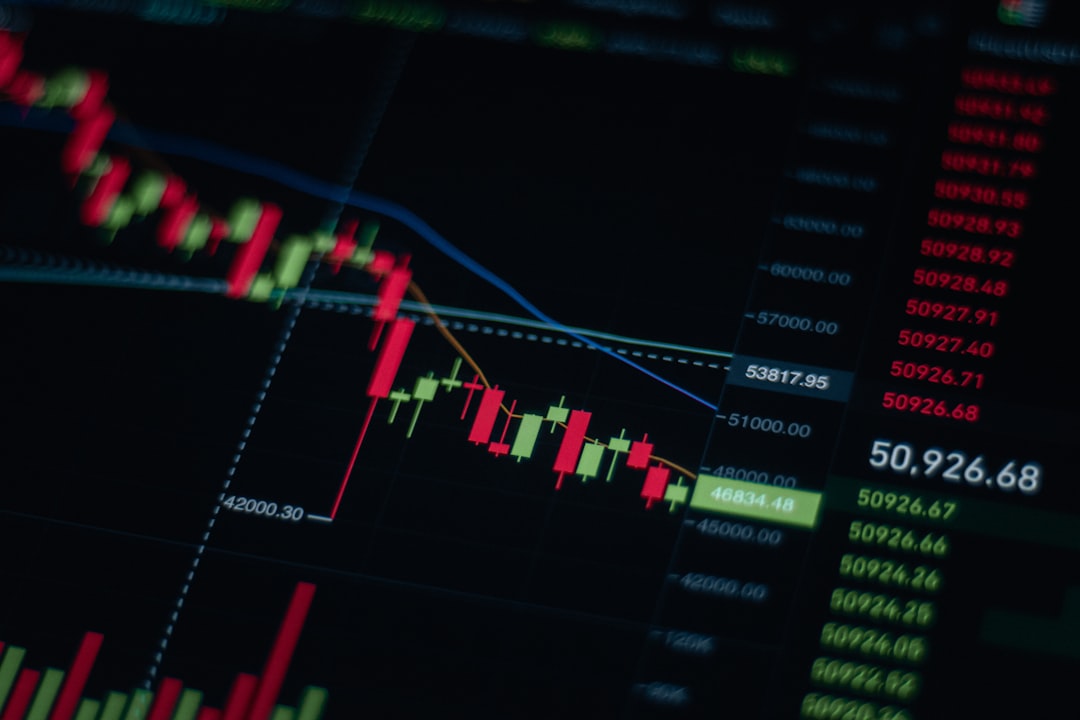
Photo by Aedrian Salazar on Unsplash
📬 Follow Easy Brazil Investing for more English-language coverage of Brazil’s best investment opportunities. Or follow us on X
Leave a Reply