
Opening Summary
As we delve into the Brazilian market landscape on January 30, 2026, several pivotal themes emerge that hold significant implications for foreign investors. From critical shifts in corporate governance and financial ratings to notable movements in commodities, today’s roundup provides a comprehensive view of the factors shaping investment decisions in Brazil.
Foreign investors should particularly pay attention to the developments around privatization efforts, changes in financial ratings, and the ongoing geopolitical tensions affecting commodity prices. These elements not only influence the Brazilian markets but also echo wider global trends.
Main News Stories
Economy and Financial Instruments
-
Understanding Leverage: Leverage, a powerful yet risky tool in finance, involves using borrowed funds to increase investment returns. While it offers the potential for higher profits, it also amplifies the risks. Investors must weigh these aspects carefully when navigating Brazilian markets. O que é alavancagem e como funciona no mercado financeiro? (Suno)
-
Net Profit Calculation: The concept of net profit, essential for assessing a company’s financial health, is pivotal when evaluating investment opportunities. Understanding how to calculate and interpret net profit can guide investors in making informed decisions regarding Brazilian stocks. Lucro líquido: saiba o que é e como calcular (Suno)
Corporate News
-
BRB’s Credit Rating Downgrade: The S&P’s downgrade of Banco de Brasília (BRB) highlights ongoing reputational risks and pressures on capital. This development could affect investor confidence and influence stock prices negatively. Investors should monitor the bank’s strategies to address these challenges. S&P rebaixa rating do BRB (Money Times)
-
Copasa Privatization Advances: Copasa’s approval of statutory changes marks a significant step in its privatization process. These changes are crucial for investors as they could lead to shifts in stock valuations and open new opportunities in the Brazilian utilities sector. Copasa aprova mudanças (Money Times)
-
Cemig’s Acquisition: Cemig’s acquisition of ETTM for R$ 30 million underscores its strategic expansion in energy transmission. This move could bolster Cemig’s market position and potentially enhance investor returns, especially in the infrastructure domain. Cemig conclui compra (Money Times)
Commodities and Global Influences
-
Oil Price Surge: Concerns over a potential U.S. attack on Iran have driven oil prices to a five-month high, impacting global supply dynamics. This rise in oil prices could affect Brazilian commodity exports and influence inflationary pressures domestically. Petróleo sobe 3% (Money Times)
Political Developments
-
BRB Investigation Insights: The removal of confidentiality from key testimonies in the BRB investigation could shed light on fraud allegations, affecting the bank’s reputation and investor sentiment. This transparency might lead to regulatory changes or impact future governance structures. Toffoli retira sigilo (Money Times)
Market Context
These stories unfold against a backdrop of mixed economic signals in Brazil. While the country grapples with challenges in corporate governance and financial stability, sectors like energy and utilities offer growth prospects through strategic acquisitions and privatization. The geopolitical tensions affecting commodity prices also highlight Brazil’s interconnectedness with global markets.
Investment Implications
- Brazilian Stocks (B3): The privatization efforts and corporate acquisitions could prompt shifts in stock valuations, particularly in the utilities and energy sectors.
- ADRs: International investors might see fluctuating ADR values as Brazilian companies navigate economic and reputational challenges.
- Brazilian Real (BRL): Currency fluctuations could arise from geopolitical tensions affecting commodity prices, influencing trade balances.
- Bonds: The downgrade of BRB’s credit rating could impact bond yields and investor confidence in Brazilian debt instruments.
- Commodities Exposure: Rising oil prices due to geopolitical risks could benefit Brazilian commodity exporters, although inflationary pressures might offset these gains.
Looking Ahead
In the coming days, investors should watch for further developments in the BRB investigation, potential policy responses to the oil price surge, and updates on Copasa’s privatization process. Additionally, global geopolitical events and their impact on commodity prices will remain crucial factors influencing Brazilian markets.
Upcoming economic data releases and corporate earnings reports will provide further insights into Brazil’s economic trajectory and help investors make informed decisions.
This blog post structure provides a comprehensive overview of key themes and developments in the Brazilian markets, offering valuable insights for foreign investors. The use of hyperlinks to source articles ensures readers can explore the original content for more in-depth information.
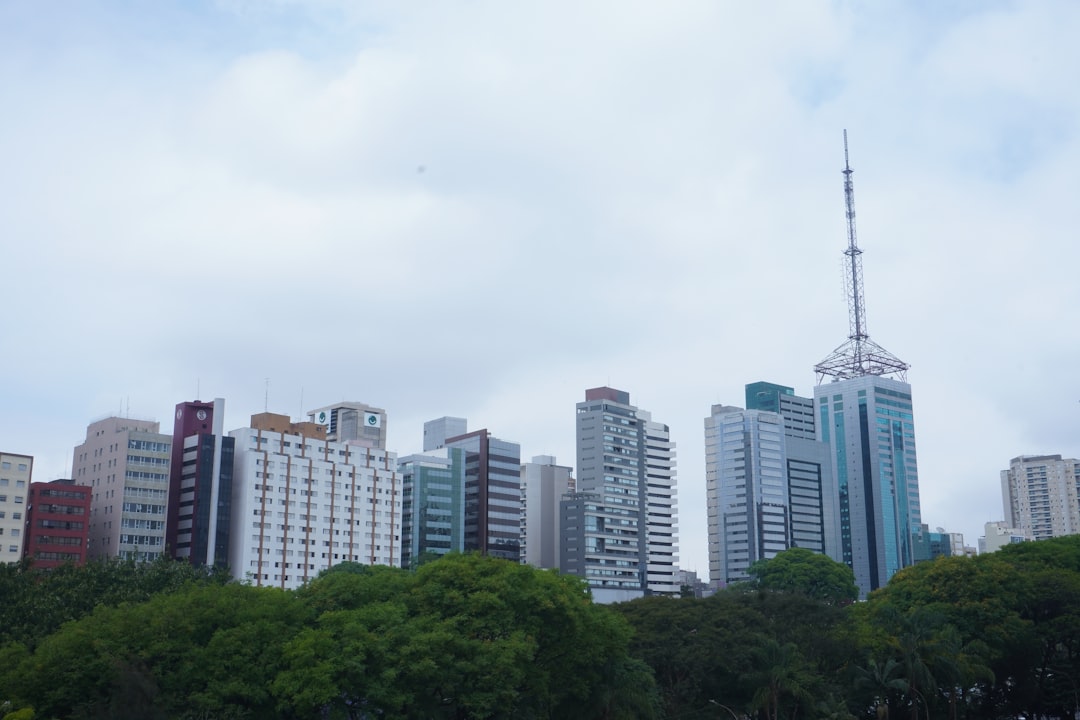
Photo by Vinícius Costa on Unsplash
📬 Follow Easy Brazil Investing for more English-language coverage of Brazil’s best investment opportunities. Or follow us on X
Leave a Reply