
Opening Summary
Today’s roundup of Brazilian market news highlights several key themes that are shaping the investment landscape in Brazil. From anticipated electoral volatility affecting corporate debt strategies to the evolving dynamics of IPOs and the impact of political sentiments on the Ibovespa, the stories provide a comprehensive view on what foreign investors should consider when navigating Brazilian markets.
Investors should particularly pay attention to corporate debt strategies influenced by upcoming elections, shifts in leadership within major companies, and government regulations affecting pension funds. Additionally, understanding the technological advancements and their influence on global companies can offer insights into Brazil’s positioning in international markets.
Main News Stories
Economy and Corporate Finance
Alavancagem, or leverage, remains a critical tool in the Brazilian financial markets. It involves using borrowed funds to increase potential returns on investments, which can amplify gains but also risks. Understanding leverage is crucial for foreign investors looking to maximize their returns while managing risk effectively. O que é alavancagem e como funciona no mercado financeiro? (Suno).
Lucro líquido, or net profit, is a fundamental metric for assessing a company’s financial health and efficiency. Investors often rely on this data to evaluate the performance and profitability of a company, which can inform investment decisions. Lucro líquido: saiba o que é e como calcular (Suno).
The concept of track record is pivotal for scrutinizing the historical performance of investment funds, aiding investors in making informed decisions about where to allocate their capital. Track record: como analisar o desempenho histórico de um fundo? (Suno).
Political Influence on Markets
As Brazil approaches its 2026 elections, companies are anticipated to advance their debt issuance plans to sidestep electoral volatility. HSBC’s director highlights a favorable current market environment for such activities. This strategic move could affect the corporate debt landscape and investor strategies in Brazil. Empresas brasileiras devem antecipar emissões de dívida em 2026 para evitar a volatilidade eleitoral, diz o HSBC (Money Times).
The Ibovespa, Brazil’s main stock index, is projected to potentially exceed 200,000 points due to political dynamics rather than policy agendas. This reflects the market’s sensitivity to political stability and investor sentiment, suggesting high potential returns but also risks. Eleições 2026: Ibovespa pode chegar a mais de 200 mil pontos, segundo Felipe Miranda, da Empiricus (Money Times).
Corporate News
Usiminas, a major player in the steel industry, has announced the resignation of its VP of Finance, Thiago Rodrigues, effective February 2026. The company plans to appoint a director from Ternium, which may influence its strategic direction and investor confidence. VP de finanças renuncia e Usiminas (USIM5) anuncia diretor da Ternium (Money Times).
Government regulations have intensified for pension funds managing public servants’ retirement assets, potentially affecting their investment strategies. This move aims to secure pension fund stability but may alter their market engagement. Governo endurece regras para fundos de pensão de servidores públicos (Money Times).
IPOs and Market Opportunities
Despite the Ibovespa reaching historic highs, Brazil’s IPO market remains dormant, with expectations for a revival still unfulfilled. Investors should monitor upcoming IPOs as potential shifts could offer lucrative opportunities. IPOs em 2026: o que esperar e quais empresas estão na fila (Suno).
Highlighting 2025’s major IPOs, primarily in the US, underscores Brazil’s current IPO drought. This situation suggests a need for strategic patience among investors looking for entry points in emerging Brazilian companies. Maiores IPOs de 2025: as empresas que sacudiram o mercado (Suno).
Technology and Global Impact
Globally, Nvidia has overtaken Apple as the most valuable tech company, driven by AI advancements. This shift could influence Brazilian tech investments, urging investors to consider global technological trends. Empresas de tecnologia mais valiosas do mundo em 2025: veja quais são (Suno).
Market Context
These stories fit into broader economic trends in Brazil, where political uncertainties and global technological shifts are impacting investor sentiment. The anticipated electoral volatility and the stringent regulations for pension funds reflect the market’s cautious approach amid these dynamics. Meanwhile, the resilience of the Ibovespa suggests strong investor confidence despite political challenges.
Investment Implications
- Brazilian stocks (B3): Potential volatility with political changes but opportunities as companies anticipate debt strategies.
- ADRs: Reflect global investor sentiment towards Brazilian equities, especially with tech advances.
- Brazilian Real (BRL): May experience fluctuations due to electoral impacts and corporate strategies.
- Bonds: Corporate bond markets could see increased activity as companies prepare for electoral changes.
- Commodities exposure: Usiminas and other major players may influence commodity market dynamics.
Looking Ahead
Investors should watch for developments in corporate debt issuance and the impact of government regulations on pension funds. Upcoming events include economic data releases and political updates as Brazil approaches its 2026 elections. Staying informed on these fronts will be crucial for navigating potential risks and opportunities in the Brazilian market.
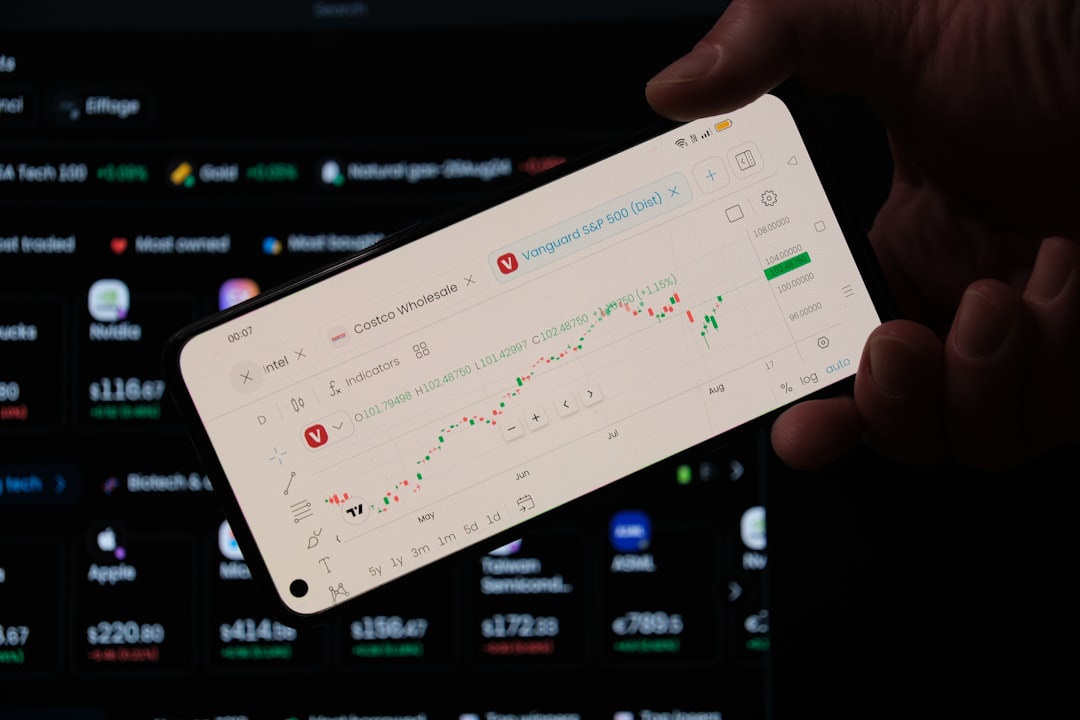
Photo by Jean-Luc Picard on Unsplash
📬 Follow Easy Brazil Investing for more English-language coverage of Brazil’s best investment opportunities. Or follow us on X
Leave a Reply