
Opening Summary
As we dive into the financial landscape of Brazil on January 19, 2026, several key themes emerge that are pivotal for foreign investors. Today’s highlights include the ongoing challenges and opportunities in the Brazilian market, from corporate updates and market dynamics to the broader economic influences shaping investment strategies. Significant dividends from key players like Copel and JHSF are noteworthy, alongside shifts in the global economic arena that could impact Brazil.
Investors should particularly focus on the regulatory changes affecting financial products, the implications of international economic tensions, and the evolving landscape of IPOs in Brazil. These factors collectively shape the investment climate, offering both challenges and opportunities for strategic positioning.
Main News Stories
Economy and Regulation
The Brazilian financial landscape is experiencing notable regulatory shifts. The Fundo Garantidor de Créditos (FGC) is processing a significant volume of requests from investors seeking compensation following the Banco Master liquidation. This process highlights the importance of understanding the guarantee mechanisms in place for financial products. Starting June 2026, new regulations from the Conselho Monetário Nacional (CMN) will affect the offer of Certificados de Depósito Bancário (CDBs), although they do not alter the existing guarantees. These changes could influence investor confidence and the attractiveness of CDBs. For more details, see the articles: Investidores de CDBs do Banco Master ainda relatam lentidão no aplicativo do FGC (Estadão E-Investidor) and FGC diz que, a partir de 1º de junho de 2026, novas regras do CMN não mudam garantia, mas afetam oferta de CDBs (Estadão E-Investidor).
Corporate News
This week, two major Brazilian companies are distributing dividends, impacting shareholder returns. Copel (CPLE3) is dispersing R$1.1 billion, a significant return for investors, while JHSF (JHSF3) sets its base date for similar disbursements. These corporate actions are crucial for income-focused investors and indicate strong financial health and commitment to shareholder value. For further reading, visit Copel paga R$ 1,1 bilhão aos acionistas esta semana e JHSF tem data base para dividendos (Money Times).
International Influence
Global economic tensions, particularly between the United States and the European Union, could have indirect effects on Brazil. President Donald Trump’s tariff threats have been met with potential retaliatory measures from the EU, which might influence global trade dynamics. Brazil, being a major trading nation, could feel ripple effects through shifts in global supply chains and market sentiment. Read more about this geopolitical development at Países da União Europeia condenam ameaças tarifárias de Trump (Money Times).
Market Dynamics
The Brazilian market continues to navigate a complex environment with IPO activities remaining stagnant despite a robust Ibovespa performance. The anticipated revival of IPOs in 2024 and 2025 did not materialize, leaving investors cautious yet hopeful for 2026. Additionally, understanding financial concepts such as leverage and net profit are crucial for evaluating investment opportunities in this challenging environment. For more insights, consider these resources: IPOs em 2026: o que esperar e quais empresas estão na fila (Suno) and O que é alavancagem e como funciona no mercado financeiro? (Suno).
Market Context
These developments fit into a broader picture of economic resilience and cautious optimism within Brazil. The financial sector is under scrutiny with regulatory changes, while companies are leveraging strong balance sheets to reward investors through dividends. Globally, geopolitical tensions can impact Brazilian exports and imports, influencing domestic markets and currency valuation. The IPO drought reflects cautious investor sentiment, yet the strong performance of the stock market suggests underlying confidence in Brazil’s economic fundamentals.
Investment Implications
- Brazilian Stocks (B3): Dividend payments from Copel and JHSF are positive signals for equity investors, indicating strong corporate health.
- ADRs: International perceptions may be influenced by global economic tensions and the regulatory environment, impacting Brazilian ADRs.
- Brazilian Real (BRL): Currency stability could be challenged by external economic pressures, necessitating close monitoring of global trade developments.
- Bonds: Regulatory changes impacting CDBs might shift investor preferences towards other fixed-income products.
- Commodities Exposure: Global political tensions and environmental initiatives, such as China’s ecological projects, could indirectly influence commodity markets.
Looking Ahead
Investors should monitor upcoming economic indicators, including the IPCA-15 in Brazil, which provides insights into inflationary trends and potential central bank actions. Additionally, global events such as the PCE data from the U.S. and Japan’s interest rate decisions may influence market dynamics. These factors will be critical in shaping investment strategies and expectations for the near future. Stay informed with evolving stories by visiting Agenda da semana: PCE nos EUA, IPCA-15 no Brasil e decisão de juros no Japão (Money Times).
In conclusion, while challenges persist, opportunities abound for savvy investors who can navigate the complexities of the Brazilian market and its global interconnections.
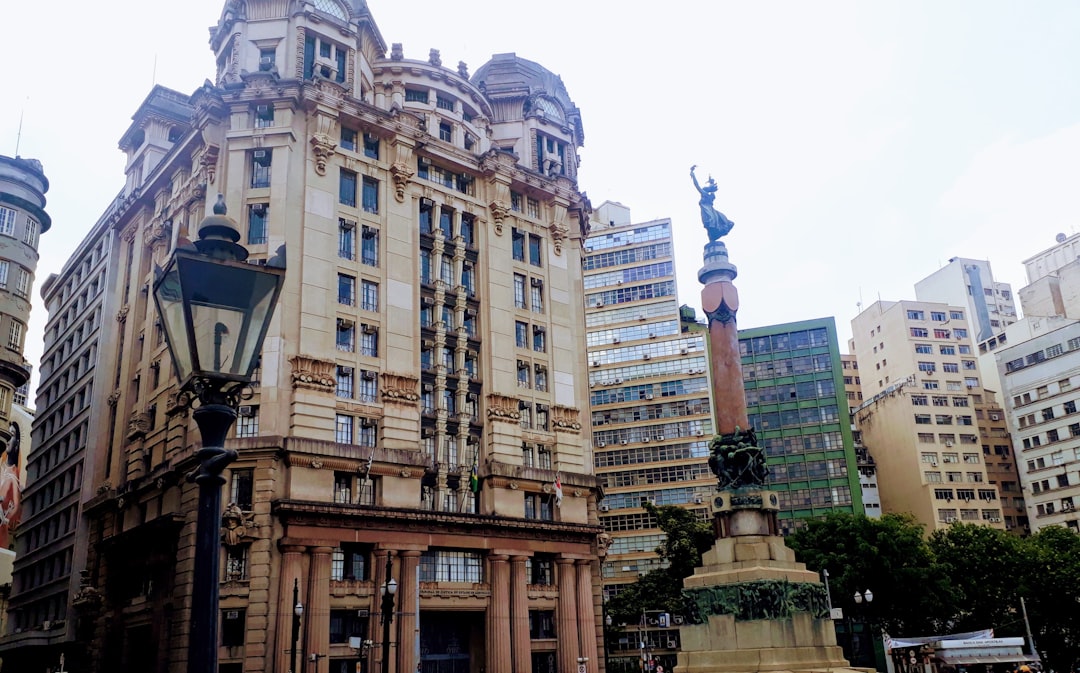
Photo by Alexandre Ray on Unsplash
📬 Follow Easy Brazil Investing for more English-language coverage of Brazil’s best investment opportunities. Or follow us on X
Leave a Reply