
Easy Brazil Investing: Daily News Roundup – March 04, 2026
Opening Summary
The Brazilian market landscape is currently being shaped by a confluence of international tensions and domestic economic adjustments. Today, foreign investors should keep a keen eye on the unfolding geopolitical conflicts in the Middle East, which are impacting global oil prices and the strength of the US dollar, with significant repercussions for Brazil’s economy.
Investors should also focus on domestic political developments related to fiscal policy and financial stability, as well as evolving opportunities in the real estate and credit sectors. These dynamics are critical for assessing investment risks and opportunities in the Brazilian market.
Main News Stories
Geopolitical Tensions and Economic Impact
The ongoing conflict in Iran has escalated concerns about prolonged instability in the region. The United States, under President Donald Trump, has issued orders to support maritime insurance and potentially deploy naval escorts for tankers in the Gulf. This situation has led to increased volatility in the markets, with New York futures extending losses due to fears of a prolonged conflict. The global economic implications of this situation are significant, as increased energy prices could affect inflation and economic growth worldwide.
For more details, see the original articles: Trump Supports Maritime Insurance (Money Times) and NY Futures Extend Losses (InfoMoney).
Domestic Political Developments
In Brazil, the legislative decision to authorize a capital injection into Banco de Brasília (BRB) to cover losses from operations with Banco Master has sparked political controversy. This move, passed with a narrow margin, highlights ongoing challenges in the Brazilian banking sector and the government’s role in financial stabilization. Meanwhile, Minister Fernando Haddad has underscored the complexity of economic recovery following past policy missteps.
For further insights, refer to: BRB Capital Injection (Money Times) and Haddad on Economic Recovery (Money Times).
Currency and Market Fluctuations
The ongoing Middle East conflict has influenced currency markets, with the Brazilian Real under pressure as the US dollar strengthens. Projections suggest the dollar could reach R$5.50, impacting import costs and inflation. Additionally, the IMF has signaled that the economic impact of the conflict will depend on its duration and the extent of energy price increases.
Read more at: Middle East War’s Impact on Brazil (Estadão E-Investidor) and IMF on Economic Impact (Money Times).
Corporate and Financial Sector News
In the corporate realm, significant changes in financial practices are emerging. Flávio Dino, a Supreme Tribunal Federal minister, has prohibited cash withdrawals of parliamentary amendment funds, mandating electronic transfers to improve transparency. Meanwhile, private credit and private equity leaders are signaling challenging months ahead as the global economic outlook remains uncertain.
For more, see: Ban on Cash Withdrawals (Money Times) and Credit and Equity Outlook (InfoMoney).
Real Estate and Investment Opportunities
The real estate market is seeing renewed activity with Caixa Econômica Federal resuming financing for high-value properties. This move could stimulate the real estate sector, offering potential opportunities for investors looking to capitalize on Brazil’s recovering housing market. Additionally, Itaú and Axia have been highlighted as top stock picks for March, indicating targeted investment strategies in the current economic climate.
Explore further: Caixa Resumes High-Value Property Financing (Money Times) and Top Stock Picks for March (InfoMoney).
Market Context
These stories collectively portray a Brazilian economy at a crossroads, influenced by both international and domestic factors. The geopolitical tensions in the Middle East could exacerbate inflationary pressures in Brazil, complicating monetary policy. Domestically, the government’s interventions in financial institutions and legislative changes reflect ongoing efforts to stabilize the economy and improve governance. These dynamics are crucial for understanding Brazil’s economic trajectory and investment climate.
Investment Implications
- Brazilian Stocks (B3): Market volatility due to global tensions could impact stock performance, with select sectors offering resilience.
- ADRs: Brazilian companies listed abroad may face currency-related valuation adjustments.
- Brazilian Real (BRL): The potential for further depreciation could affect costs for import-dependent industries.
- Bonds: Interest rate expectations may shift, requiring careful monitoring of fixed-income investments.
- Commodities Exposure: Energy sector volatility presents both risks and opportunities depending on market developments.
Looking Ahead
Investors should monitor upcoming economic data releases, including employment figures in the US, Brazilian activity indicators, and European inflation statistics, as these will provide critical insights into the global and local economic environments. Additionally, political developments, particularly in fiscal policy and financial sector regulation, will be pivotal in shaping investment strategies in Brazil.
For a comprehensive view of upcoming events, visit: Economic Calendar (Estadão E-Investidor).
As always, staying informed and proactive in response to these developments is essential for navigating the Brazilian investment landscape.
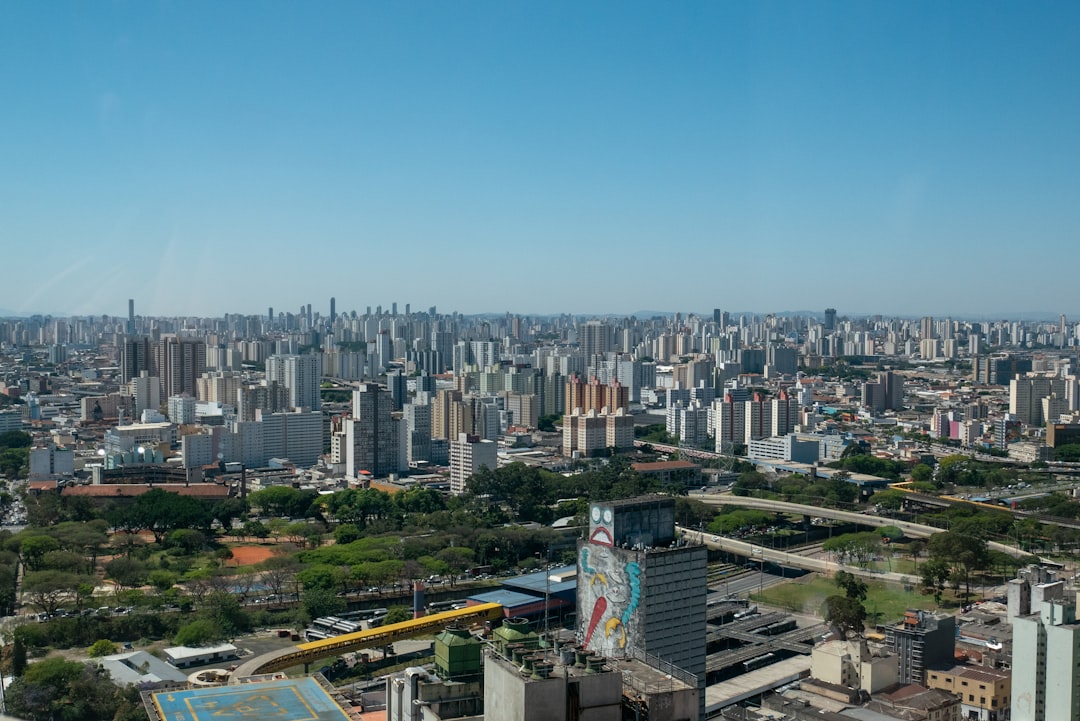
Photo by Gigi Visacri on Unsplash
📬 Follow Easy Brazil Investing for more English-language coverage of Brazil’s best investment opportunities. Or follow us on X
Leave a Reply