
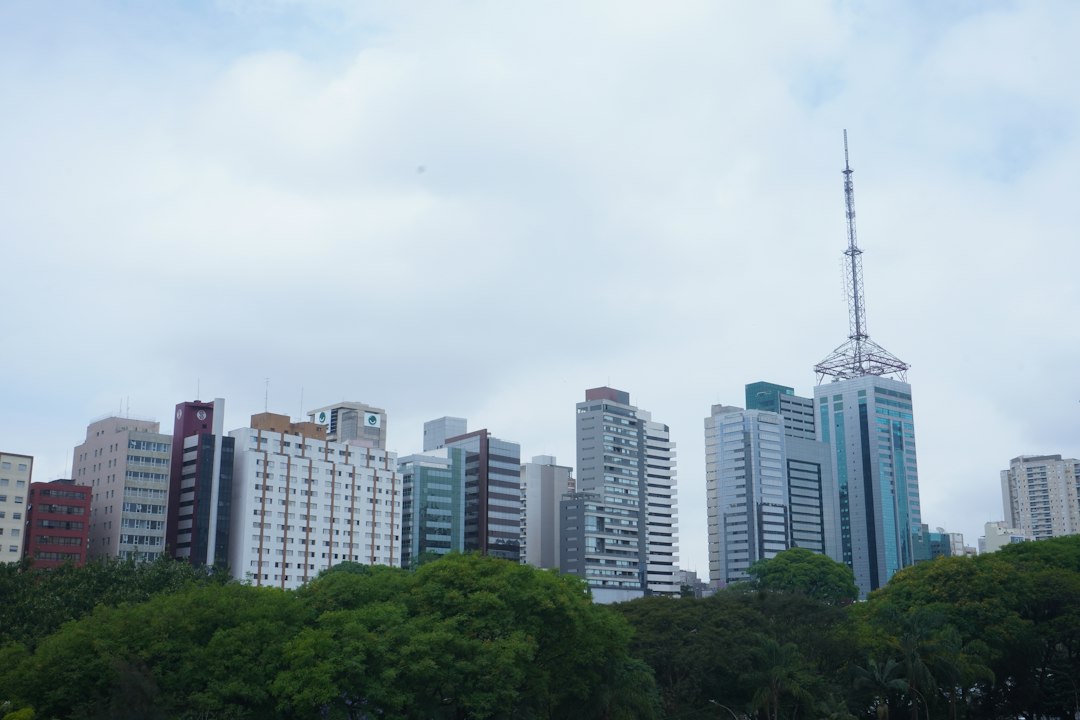
Opening Summary
Brazilian markets head into the final stretch before the first round of the presidential election amid rising political tension, commodity volatility, and signs of sector-specific pressure in agribusiness. Today’s news flow is dominated by the abrupt cancellation of a major TV debate, growing derivatives bets on a sharp post-election move in Brazilian assets, and fresh analysis on how different electoral outcomes could reshape Petrobras.
For foreign investors, the key themes are: (1) political uncertainty and its impact on FX and equity volatility; (2) shifting dynamics in the oil and gas sector, with both global price pressures and Brazil-specific developments; (3) structural social policies that affect domestic demand and inflation; and (4) early signs of weather-related risk in the sugarcane/ethanol complex. Taken together, these stories reinforce the need to manage Brazil exposure with a clear view on election scenarios, commodity cycles, and sector-level fundamentals.
Main News Stories
1. Politics: Debate Cancelled, Volatility Bets Rise
1.1 Globo Presidential Debate Cancelled at the Last Minute
On Thursday night (Oct. 1), TV Globo — Brazil’s largest broadcaster — cancelled its scheduled presidential debate just minutes before it was due to begin at 21:20. The leading candidates reacted in different ways, with some blaming the judiciary, others accusing rivals of cowardice, and President Lula stating during an appearance on the Flow podcast that such debates have become “infrutíferos” (fruitless or unproductive). The episode has become a political flashpoint in the final days before the first round.
While the detailed procedural reasons involve Brazil’s electoral and judicial rules, the key point for investors is that a major televised moment that could have shifted voter perceptions was removed from the calendar. That tends to preserve the status quo in polling rather than catalyze last-minute swings. The tone of the reactions also underscores the contentious relationship between political actors, media, and the judiciary, a recurring theme in Brazil’s institutional landscape.
Candidatos se dividem em críticas ao cancelamento do debate na Globo; no Flow, Lula diz que é “infrutífero” (Money Times)
Why it matters for investors:
- Debates can move polls and expectations about economic policy; their cancellation reduces near-term information flow for markets.
- The controversy reinforces the perception of institutional friction, which can be priced as political risk in sovereign spreads and FX.
- In a highly polarized environment, anything that limits transparent policy discussion tends to increase uncertainty about post-election reforms (fiscal rules, privatizations, Petrobras governance, etc.).
1.2 Options Market Signals “Explosive” Post-Election Move
Brazil’s equity derivatives markets are already pricing in a significant move after the first round of the presidential election. InfoMoney reports a surge in call option volume on the main dollar ETF listed on B3 (Brazil’s stock exchange), indicating that traders expect a potentially “explosive” move in the exchange rate or dollar-linked instruments once the voting results are known.
Although the article focuses on options flows rather than exact pricing metrics, the message is clear: institutional investors and sophisticated traders are actively hedging or speculating on large swings in the BRL and related assets around the election date. This is consistent with past Brazilian electoral cycles, but the intensity of positioning is noteworthy.
Bolsa: apostas em opções em dólar indicam “movimento explosivo” após o 1º turno (InfoMoney)
Why it matters for investors:
- Elevated options activity is a direct signal of expected volatility in BRL and Brazil-linked ETFs/ADRs.
- Foreign investors holding unhedged BRL exposure should reassess their risk management ahead of the vote.
- Short-term dislocations can create opportunities in mispriced assets, but also raise the risk of sharp drawdowns.
2. Oil & Gas: Auctions, Petrobras, and Global Price Pressures
2.1 ExxonMobil and TotalEnergies Buy 1 Million Barrels Each in Brazilian Union Oil Auction
The Brazilian state company Pré-Sal Petróleo SA (PPSA), which manages the government’s share of production from pre-salt fields, held a crude oil auction in which ExxonMobil and TotalEnergies each acquired 1 million barrels. ExxonMobil secured a cargo to be produced at the Bacalhau field, while TotalEnergies obtained volumes from another pre-salt area. The auction reflects continued strong interest from major international oil companies in Brazil’s deepwater resources.
ExxonMobil e TotalEnergies arrematam 1 milhão de barris cada em leilão de petróleo da União, diz PPSA (Money Times)
Why it matters for investors:
- Continued IOC participation validates the competitiveness of Brazil’s pre-salt fields, supporting long-term production growth.
- Greater commercialization of Union oil (government-held volumes) can bolster fiscal revenues and reduce sovereign risk over time.
- For energy investors, it underscores Brazil’s role as a key supplier in the global crude market, with implications for Petrobras (PETR3/PETR4) and oil service companies.
2.2 How the Election Could Reshape Petrobras
InfoMoney published a detailed analysis on how different electoral outcomes may affect Petrobras, Brazil’s state-controlled oil major. Analysts generally see elections as a source of risk for Petrobras due to the potential for changes in pricing policy (particularly fuel prices), investment strategy, and the balance between shareholder returns and political objectives.
Key points raised include:
- The risk of reintroducing more aggressive fuel price controls to contain inflation, which would compress refining margins.
- Potential shifts in dividend policy; Petrobras currently offers high payouts, but a more interventionist government could prioritize investment or social spending.
- The possibility of increased state involvement in strategic projects (refining, gas, renewables) that may not be fully aligned with shareholder value maximization.
À prova das urnas? Quanto a eleição pode mudar a Petrobras (e as suas ações) (InfoMoney)
Why it matters for investors:
- PETR3/PETR4 are among the most traded stocks on B3 and a large component of Brazil ETFs and ADR baskets; election-driven repricing of Petrobras can move the entire market.
- Foreign investors must distinguish between company-specific governance risk and Brazil’s broader macro risk.
- Scenario analysis (e.g., fuel price policy, capex guidance, dividend strategy) is essential for valuation and risk management.
2.3 Global Oil Prices Retreat on Mixed Supply Signals
On the global stage, oil prices are falling about 3% today after a strong rally yesterday. According to Money Times, the market is reassessing mixed signals from the Middle East: signs of recovering supply are weighing on prices, even as the possibility of renewed tensions between the United States and Iran remains in focus.
Preços do petróleo recuam com mercado avaliando sinais mistos de oferta (Money Times)
Why it matters for investors:
- Lower crude prices can relieve inflation pressures in Brazil, potentially influencing monetary policy expectations and domestic demand.
- For Petrobras and other energy plays, near-term earnings expectations are sensitive to the Brent price; volatility in oil adds another layer to election-related risk.
- Brazil’s terms of trade (export prices vs. import prices) are linked to commodities; oil swings can affect the BRL and growth outlook.
3. Domestic Policy & Social Programs: Gás do Povo and Consumption Support
3.1 “Gás do Povo” Provides Free Cooking Gas Refills to Low-Income Families
The federal government’s “Gás do Povo” program is a social policy that offers a free monthly refill of cooking gas (GLP) cylinders to low-income households. Money Times reports that in October, eligible families will receive the benefit starting on October 10 and can withdraw it until November 9.
The program targets families registered in the government’s social cadaster (Cadastro Único) and meeting income criteria. While small in macro terms, it directly affects the purchasing power of poorer households by reducing energy costs, which can free up cash for food and other essentials.
Gás do Povo outubro 2026: confira datas de pagamento, critérios e como acessar o benefício (Money Times)
Why it matters for investors:
- Social transfer programs influence domestic consumption patterns, especially in food, retail, and low-ticket services.
- Policies like Gás do Povo can moderate inflation at the base of the income pyramid, potentially affecting political support and the broader policy mix.
- For consumer-oriented stocks (supermarkets, food producers, low-income retailers), incremental support to household budgets can be mildly positive.
4. Agribusiness & Commodities: Sugarcane Harvest Hit by Rains
4.1 Center-South Sugarcane Crushing Falls for the First Time This Season
Brazil’s center-south region — the main producing area for sugarcane — saw its sugarcane crushing (harvest and processing) volume fall 1.5% in the 2026/27 season through September 15 compared with the same period in the previous cycle. This is the first time the cumulative volume has dropped below the 2025/26 level. The Ministry of Agriculture attributes the decline to heavy rains in September, which disrupted field operations and logistics.
Moagem de cana do centro-sul cai pela 1ª vez no acumulado da safra por chuvas em setembro (Money Times)
Why it matters for investors:
- Brazil is a key global supplier of sugar and ethanol; lower crushing volumes can tighten supply and support international prices.
- Listed sugar/ethanol producers may see margin impacts depending on their hedging strategies and product mix (sugar vs. ethanol).
- Weather-related disruptions highlight climate risk in Brazilian agribusiness, relevant for long-term investment theses in agriculture and biofuels.
5. Global Backdrop: US Jobs, AI Liability, and Geopolitical Tensions
5.1 US Jobs Report Expectations and Global Risk Sentiment
InfoMoney notes that Dow Jones futures are trading higher as investors await the latest US employment report, while oil prices are down about 3%. The consensus expects job creation to slow, which would influence expectations for US Federal Reserve policy. Although this is an external story, it directly affects Brazil via global risk appetite, dollar strength, and capital flows into emerging markets.
Dow Jones Futuro sobe à espera do relatório de emprego dos EUA; petróleo recua 3% (InfoMoney)
Why it matters for investors:
- A softer US jobs print could support risk assets globally, potentially favoring Brazilian equities and the BRL.
- Stronger-than-expected data could reinforce higher-for-longer US rates, pressuring EM FX and valuations.
- Brazil’s local yield curve and equity risk premium are sensitive to global rate expectations, especially for foreign investors benchmarking in USD.
5.2 AI Liability and Regulatory Trends
InfoMoney discusses a global debate over who should be financially responsible when artificial intelligence systems malfunction, “rebel,” or cause damage. Many argue that AI companies should bear strict liability, while others emphasize shared responsibility with users or integrators. Although the article focuses on global policy, these discussions are increasingly relevant for Brazil as the country develops its own regulatory framework for AI and digital technologies.
A IA se rebelou, saiu de controle e causou estragos. Quem paga a conta nesses casos? (InfoMoney)
Why it matters for investors:
- Regulatory trends in AI influence the operating environment for Brazilian tech firms and multinationals with local operations.
- Liability frameworks can affect investment decisions in automation, fintech, and data-driven services.
- For long-term investors, understanding Brazil’s stance on digital regulation is part of assessing innovation and productivity potential.
5.3 Geopolitical Noise: Iran, Ethiopia, Venezuela
Brazil 247 highlights several geopolitical developments:
- Donald Trump stated that the US could “explode” Iran and that the conflict would end “very soon, one way or another,” raising rhetorical tensions around Iran.
- Reports from Ethiopia indicate explosions in the capital Addis Ababa amid drone attacks linked to northern rebel groups.
- Trump also commented that it is premature for Venezuela to hold elections, in response to statements by Venezuela’s interim president Delcy Rodríguez at the UN General Assembly.
Trump diz que EUA podem “explodir” o Irã (Brasil 247) |
Explosões são ouvidas na capital da Etiópia em meio a combates no norte (Brasil 247) |
Trump considera prematuro para Venezuela realizar eleições (Brasil 247)
Why it matters for investors:
- Geopolitical risk in the Middle East and Latin America can affect oil prices, risk premia, and global EM sentiment.
- Brazil, as a major oil exporter and regional diplomatic actor, can be indirectly affected by shifts in regional stability, especially in Venezuela.
- While these headlines do not change Brazil’s fundamentals directly, they contribute to the global risk environment that shapes capital flows.
Market Context: How Today’s Stories Fit Together
Today’s news reinforces a familiar pattern for Brazil: domestic political uncertainty layered on top of global macro and commodity volatility.
- Politics and Petrobras: The cancelled debate and the options market’s “explosive” expectations underscore how central the election is to asset pricing. Petrobras sits at the intersection of these themes: it is both a political lightning rod and a key driver of index performance.
- Commodities and the Real Economy: Oil price swings affect inflation and Petrobras earnings, while sugarcane harvest disruptions highlight climate and operational risks in agribusiness. Both sectors are crucial for Brazil’s trade balance and GDP.
- Social Policy and Consumption: Programs like Gás do Povo are micro-level policies that support low-income households. In aggregate, they can influence consumption patterns and political support, feeding back into the policy mix that investors care about.
- Global Backdrop: US jobs data, AI liability debates, and geopolitical tensions shape the external environment. Brazil’s risk premium and FX are highly sensitive to shifts in global rates and risk appetite.
For foreign investors, the key is to view these stories not as isolated headlines but as
Photo by Vinícius Costa on Unsplash
📬 Follow Easy Brazil Investing for more English-language coverage of Brazil’s best investment opportunities. Or follow us on X
Leave a Reply