
Opening Summary
Brazil’s news flow today is a mix of micro-level wealth planning themes and company-specific operational updates, with a few regulatory and calendar points that matter for how and when you trade Brazilian assets. On the corporate side, utilities and energy names are in focus: Minas Gerais water utility Copasa moves one step closer to a follow-on share offering tied to its privatization process, while power and gas producer Eneva reports a sharp jump in electricity generation and gas output in its first-quarter operational preview. In commodities, Vale posts modest growth in iron ore production, a key data point for anyone exposed to Brazilian mining or China-linked demand.
At the same time, domestic financial themes are dominated by tax and succession planning: Brazilian outlets are publishing detailed guides on income tax rules for 2026, estate planning, and vehicles such as family holdings and multi-family offices. These do not move markets today, but they shape how Brazilian wealth is structured, how capital flows into different asset classes, and how foreign investors can align with local structures. Finally, investors should note upcoming market closures around the Tiradentes holiday, which will affect liquidity and trading schedules on B3 (the Brazilian stock exchange) and in the banking system.
Main News Stories
1. Corporate & Privatization: Copasa’s Follow-On Offering Clears a Hurdle
The main corporate headline today comes from Copasa (Companhia de Saneamento de Minas Gerais, ticker CSMG3), the state-controlled water and sanitation utility in Minas Gerais. According to Copasa (CSMG3) recebe autorização do TCE-MG para dar continuidade a etapas de oferta de ações (Money Times), the company announced that the Tribunal de Contas do Estado de Minas Gerais (TCE-MG, the state audit court) has authorized the continuation of steps related to a potential secondary public share offering (a follow-on).
This follow-on is part of the broader process of privatizing Copasa. In Brazil, state audit courts often scrutinize privatizations and related transactions to ensure they comply with legal and fiscal rules. The TCE-MG’s green light does not mean the privatization is complete, but it removes an important procedural obstacle and signals that the process is moving ahead.
Why it matters for investors
- Privatization pipeline: Copasa is one of the most visible state-owned utilities in Minas Gerais. Progress on its privatization is a barometer for Brazil’s broader privatization and concession agenda, especially in the sanitation sector, which has been a reform focus since a major regulatory framework was updated in 2020.
- Potential re-rating: Historically, Brazilian utilities that move from state to private control often see governance improvements, efficiency gains, and changes in capital allocation policies. For equity investors, this can support a valuation re-rating over time, though political risk remains.
- Supply of shares: A follow-on offering will increase free float and liquidity in CSMG3, which is positive for institutional investors but can create short-term price pressure as the market digests new supply.
Potential market impact
- CSMG3: In the short term, the stock may react to increased perceived probability of privatization and a clearer timeline. However, details such as pricing, stake size, and final structure of the offering will be crucial.
- Utilities sector: Other listed utilities and sanitation companies may see sentiment spillover, as investors reassess the political will and legal feasibility of privatizations at state level.
- Brazil risk premium: A smoother-than-expected process in Minas Gerais could mildly support the narrative that Brazil remains open to private capital in infrastructure, which is relevant for both equities and long-dated bonds.
2. Energy & Infrastructure: Eneva’s Strong Operational Preview
Eneva (ENEV3), an integrated energy company with activities in power generation and natural gas, released its first-quarter 2026 operational preview. According to Eneva (ENEV3) tem geração bruta total de 3.942 GWh no 1T26 (Money Times), total gross electricity generation reached 3,942 GWh in Q1 2026, roughly three times the level of the same period a year earlier. Total natural gas production in the quarter was 0.51 billion cubic meters (bcm).
The article attributes the sharp increase primarily to higher dispatch of thermal power plants. In Brazil’s electricity system, thermal plants (like those operated by Eneva) are often dispatched more when hydrological conditions are weaker or when demand is strong, making these companies somewhat counter-cyclical relative to hydro-based generators.
Why it matters for investors
- Earnings visibility: A tripling of gross generation suggests a strong revenue backdrop for Q1 2026, assuming contract structures and fuel costs are favorable. This can feed into earnings expectations and valuation models for ENEV3.
- Energy mix and security: Eneva’s performance underscores the growing role of gas-fired thermal power in Brazil’s energy mix. For foreign investors, this highlights opportunities in gas infrastructure and thermal generation as complements to hydro and renewables.
- Commodity linkages: The 0.51 bcm gas production figure is relevant for investors tracking domestic gas supply, which affects industrial costs and the competitiveness of Brazilian manufacturing.
Potential market impact
- ENEV3: The stock may benefit from improved sentiment if the market had not fully priced in such a strong operational performance. However, investors will wait for the full financial results to assess margins, fuel costs, and one-offs.
- Power sector peers: The data point reinforces the idea that thermal power generators can perform well when hydrology is less favorable, which can influence sector rotation within Brazilian utilities.
- BRL and energy imports: Strong domestic gas production and thermal generation can, at the margin, reduce dependence on imported fuels, which is supportive for the balance of payments and thus indirectly for the Brazilian real over time.
3. Commodities: Vale’s Iron Ore Production Edges Higher
In mining, Vale (VALE3), Brazil’s largest miner and one of the world’s key iron ore suppliers, published its Q1 2026 production report. As reported by Vale (VALE3): Produção de minério de ferro cresce 3% no 1T26, para 69,7 milhões de toneladas (Money Times), iron ore production reached 69.7 million tons, a 3% increase versus the same quarter in 2025.
The company attributes this growth to record production at certain systems and operational improvements. While a 3% increase is modest, it signals that Vale continues to stabilize and gradually expand its output after years of operational and regulatory challenges following the Brumadinho dam disaster in 2019.
Why it matters for investors
- Global iron ore supply: Vale is one of the top three iron ore producers globally. Even a 3% change in its output is meaningful for the seaborne market, especially when combined with data from Australian peers. Higher supply can put mild downward pressure on prices if demand is not equally strong.
- China exposure: Iron ore demand is closely tied to Chinese steel production and construction activity. Vale’s production figures are often read alongside Chinese macro data to gauge the health of this trade. For investors in VALE3 and its NYSE-listed ADRs (VALE), this is a key driver of revenue and margins.
- Operational risk and ESG: Stable or growing production with no major incident is positive for Vale’s risk profile, given its history. Improved operational performance can gradually compress the company’s risk discount in global portfolios.
Potential market impact
- VALE3 / VALE (ADR): The impact will depend on how the numbers compare with market expectations. A 3% increase is unlikely to be a major surprise, but confirms that Vale is not facing unexpected disruptions.
- Commodities and BRL: Stronger Brazilian iron ore exports support the trade balance and can be mildly positive for the Brazilian real, especially if commodity prices remain firm.
- Brazilian equity indices: Vale has a heavy weight in the Ibovespa (Brazil’s main equity index). Its production and earnings outlook can influence index-level performance and ETF flows.
4. Taxation & Compliance: New Income Tax Guidance for 2026
Several detailed guides on Brazilian income tax for 2026 were published by Suno, reflecting the increasing complexity and digitalization of tax compliance in Brazil. While these articles are geared toward resident individuals, they matter for how local wealth is managed and for foreign investors with tax obligations or structures in Brazil.
- Como calcular o Imposto de Renda 2026: passo a passo (Suno) explains how to calculate the 2026 income tax, including the logic of tax brackets, deductions, and how to estimate whether the taxpayer will owe or receive a refund.
- Declaração de Imposto de Renda 2026: passo a passo completo (Suno) offers a full step-by-step on how to file the return, with emphasis on the growing use of pre-filled returns and automated data integration by the Receita Federal (Brazil’s tax authority).
- Novidades do Imposto de Renda 2026: veja o que mudou (Suno) details the latest changes, including more automation, better data integration, and measures aimed at reducing errors and fraud.
Why it matters for investors
- Compliance environment: The increased automation and integration of data mean that Brazilian tax authorities have better visibility into financial accounts, investments, and cross-border flows. For foreign investors with local accounts or structures, this underscores the importance of robust compliance and documentation.
- Wealth allocation: Changes in tax rules, brackets, and reporting requirements influence how Brazilian residents allocate capital between fixed income, equities, real estate funds (FIIs), and offshore investments. This, in turn, affects flows into different segments of the Brazilian market.
- Cross-border investors: While non-resident investors typically face different tax regimes (often with withholding taxes on specific instruments), understanding the local tax environment is essential for structuring investments, especially when using local vehicles or partnering with Brazilian co-investors.
Potential market impact
- Domestic asset flows: If tax changes favor certain vehicles (for example, specific fixed income instruments or tax-exempt products), you could see shifts in domestic demand that affect yields and valuations.
- Administrative risk: More stringent and automated oversight reduces the space for aggressive tax planning, increasing the value of compliant, transparent structures—something foreign institutional investors typically prefer.
5. Wealth & Succession Planning: How Brazilian Families Are Structuring Capital
A cluster of Suno articles today focuses on wealth, succession, and family-office structures. While these are not “breaking news,” they reveal important structural trends in how Brazilian high-net-worth individuals (HNWIs) and families manage their assets—which ultimately influences capital markets.
- Como alinhar investimentos a um planejamento financeiro eficiente (Suno) discusses how to align investments with a broader financial plan, emphasizing diversification, risk management, and long-term goals rather than isolated investment decisions.
- Sucessão patrimonial: como organizar a transferência de bens (Suno) explains the process of transferring assets upon death in Brazil, highlighting the bureaucracy and costs of the formal succession process (inventário) and the importance of planning ahead.
- Planejamento sucessório: o que é, como fazer e estratégias para proteger o patrimônio (Suno) goes deeper into succession planning strategies, emphasizing that planning while alive can reduce disputes, taxes, and delays.
- Holding familiar: o que é e como funciona para proteger patrimônio (Suno) explains the concept of a family holding company, a common vehicle in Brazil used for estate planning, governance, and sometimes tax efficiency.
- Multi family office: o que é e para quem vale a pena (Suno) describes multi-family offices, which manage investments and financial affairs for multiple families, offering professionalization similar to single-family offices but shared across clients.
Why it matters for investors
- Institutionalization of wealth: The growing use of family holdings and multi-family offices indicates that Brazilian wealth is becoming more institutionalized. This typically results in more professional asset allocation, greater use of capital markets, and higher demand for sophisticated products.
- Succession and control of listed companies: Many Brazilian listed companies have controlling shareholders that are families or holding companies. Succession planning can affect control structures, governance, and even M&A opportunities as generational transitions occur.
- Demand for services and products: As more families adopt structured planning, demand rises for investment funds, offshore diversification, and specialized advisory services—areas where foreign institutions can partner or compete.
Potential market impact
- Long-term capital base: Better planning and governance can stabilize the domestic investor base, reducing forced sales due to succession disputes and improving the resilience of local markets.
- Private deals and listings: Family holdings may lead to reorganizations, spin-offs, or IPOs as families separate business assets from personal wealth, creating opportunities across private equity and public markets.
6. Market Microstructure & Calendar: Tiradentes Holiday and Trading Hours
Money Times published a practical guide on how the upcoming Tiradentes holiday (April 21, a national holiday in Brazil) will affect financial services: A bolsa abre no feriado de Tiradentes? Veja como fica o funcionamento da B3, dos bancos, do Pix, dos Correios e de outros serviços.
In Brazil, national holidays can lead to full closure of the stock exchange (B3), banks, and certain payment systems. The article outlines what will be open or closed on April 21, including B3’s trading schedule, banking operations, the instant payment system Pix, and postal services.
Why it matters for investors
- Liquidity and settlement: On days when B3 is closed, you cannot trade Brazilian stocks locally, and settlement cycles are affected. For investors in ADRs abroad, local market closures can still influence liquidity and price discovery.
- FX and cash movements: Bank closures affect the ability to move cash, settle large transfers, or execute certain FX operations. While Pix (Brazil’s instant payment system) often remains available for retail transfers, institutional flows are more constrained.
- Volatility around holidays: The trading sessions before and after a holiday can see lower liquidity and potentially higher intraday volatility, which can matter for short-term strategies and hedging.
Market Context
Today’s news flow fits into several broader Brazilian themes that foreign investors should keep in mind:
- Privatization and state reform: The Copasa development is part of an ongoing, though uneven, push by Brazilian states and the federal government to bring private capital into infrastructure and utilities. Progress is often incremental and subject to court reviews, but each successful step reinforces the investability of regulated sectors.
- Commodity dependence: Vale’s iron ore numbers highlight Brazil’s continued reliance on commodity exports, particularly to China. Alongside agribusiness, mining is central to Brazil’s trade balance, fiscal revenues, and currency performance. Operational stability at Vale supports this macro pillar.
- Energy transition and security: Eneva’s strong thermal generation shows how Brazil is diversifying beyond hydro, which historically dominated its power grid. For investors, this means opportunities in gas, thermal power, and renewables, but also a need to understand regulatory frameworks and dispatch rules in the Brazilian energy market.
- Formalization of wealth and tax enforcement: The cluster of tax and succession articles reflects a broader trend toward more formalized wealth management and stronger tax enforcement. As Receita Federal leverages technology and data integration, the cost of non-compliance rises, pushing individuals and companies toward more transparent structures.
- Institutional investor base: The growth of family holdings and multi-family offices is gradually deepening Brazil’s domestic institutional investor base, which can reduce volatility and support demand for equities, bonds, and alternative assets over time.
Investment Implications
Brazilian Stocks (B3)
- Stock selection:
- CSMG3 (Copasa): The progress toward a follow-on and possible privatization makes this a name to monitor for event-driven strategies. Political, regulatory, and valuation risks remain, but the direction of travel is clearer.
- ENEV3 (Eneva): Strong Q1 operational data supports a positive bias on earnings, though investors should watch fuel costs, contract structures, and any guidance on future dispatch levels.
- VALE3 (Vale): Slightly higher production reinforces the company’s operational recovery. The bigger drivers remain iron ore prices and Chinese demand, so any position in VALE3 should be considered in a global commodities context.
- Sector themes:
- Utilities & sanitation: Copasa’s case may increase interest in other state-linked utilities and concessions as potential privatization or restructuring candidates.
- Energy: The energy mix shift favors integrated players that can monetize both gas and power, like Eneva, and could support valuations for other thermal or gas infrastructure names.
- Financial services: As tax and succession planning become more sophisticated, asset managers, brokers, and wealth platforms stand to benefit from higher demand for advisory and investment products.
ADRs and International Listings
- VALE (NYSE): The ADR will likely react primarily to global iron ore prices and China news, but today’s production data removes some downside risk from operational surprises. For global investors, this supports the case for VALE as a high-beta play on global growth and Chinese stimulus.
- Brazil ETFs: Broad Brazil ETFs (e.g., EWZ) have significant exposure to Vale and major financials. Stable commodity and corporate news, combined with ongoing institutionalization of the local market, can support medium-term allocations, though political and fiscal risks should always be considered.
Brazilian Real (BRL)
- Trade balance support: Vale’s production growth and strong energy output from companies like Eneva underpin Brazil’s export capacity and reduce reliance on imported energy. This is structurally supportive for the trade balance and, by extension, for the BRL.
- Risk sentiment: Progress on privatizations and a more formal tax and wealth management environment are positive for Brazil’s institutional image, which can help reduce the risk premium embedded in the currency, especially when global risk appetite is favorable.
- Short-term flows: Holiday-related trading interruptions around April 21 could temporarily dampen liquidity in BRL markets, potentially increasing intraday volatility around that period.
Brazilian Bonds
- Sovereign debt: While today’s news is more micro than macro, a stable and growing export base (Vale, energy) and ongoing privatization efforts are positive for long-term fiscal sustainability. These factors can support demand for Brazilian sovereign bonds, particularly in local currency.
- Corporate credit:
- Utilities & energy issuers: Operationally stronger companies like Eneva may see supportive credit metrics, while privatization prospects at Copasa could eventually change its risk profile, depending on the final ownership and regulatory agreements.
- Regulatory risk: As tax enforcement tightens, companies with opaque structures or aggressive tax planning may face higher risk, which credit investors should monitor.
Commodities Exposure
- Iron ore: Vale’s modest production growth contributes to global supply. If iron ore demand remains resilient, this supports prices and the profitability of Brazil-related commodity plays. If demand softens, increased supply could pressure prices, affecting both Vale and Brazil’s macro picture.
- Energy: Higher gas production and thermal generation strengthen Brazil’s position as a diversified energy producer. Investors with exposure to global LNG, gas infrastructure, or emerging-market energy names should factor in Brazil’s growing role.
Looking Ahead
In the coming days and weeks, foreign investors focusing on Brazil should watch:
- Copasa privatization milestones: Further announcements about the timing, size, and pricing of the follow-on offering, as well as any political or legal challenges that might arise.
- Full Q1 earnings season: Eneva and Vale’s operational data are early signals; the full earnings reports across sectors (banks, utilities, consumer, industrials) will offer a more complete picture of Brazil’s corporate health in early 2026.
- Macro data and policy: Upcoming releases on inflation, GDP, fiscal performance, and central bank communication will be key for interest rate expectations and BRL direction.
- Tax and regulatory changes: Follow-up regulations or clarifications related to the 2026 income tax changes, and any new measures affecting investment products or cross-border flows.
- Holiday-related liquidity: Trading conditions around the Tiradentes holiday on April 21, including any unusual volatility or gaps in pricing due to lower participation.
For foreign investors, today’s news reinforces a familiar picture: Brazil remains a commodity and energy powerhouse with a complex but gradually modernizing institutional framework. Corporate stories like Copasa, Eneva, and Vale show where the opportunities lie, while the tax and succession planning themes highlight the importance of partnering with local expertise to navigate legal and fiscal nuances. As always, combining bottom-up stock analysis with a clear view of Brazil’s macro and regulatory trajectory is essential for successful allocation to Brazilian assets.
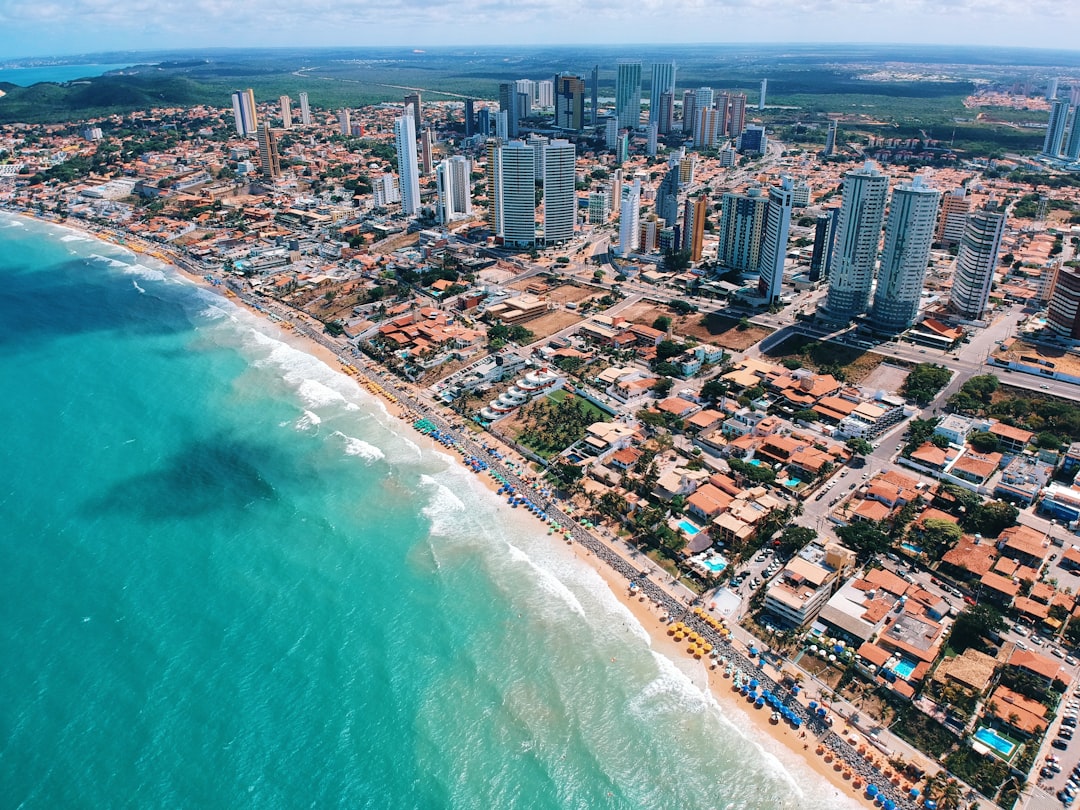
Photo by Pedro Menezes on Unsplash
📬 Follow Easy Brazil Investing for more English-language coverage of Brazil’s best investment opportunities. Or follow us on X
Leave a Reply