
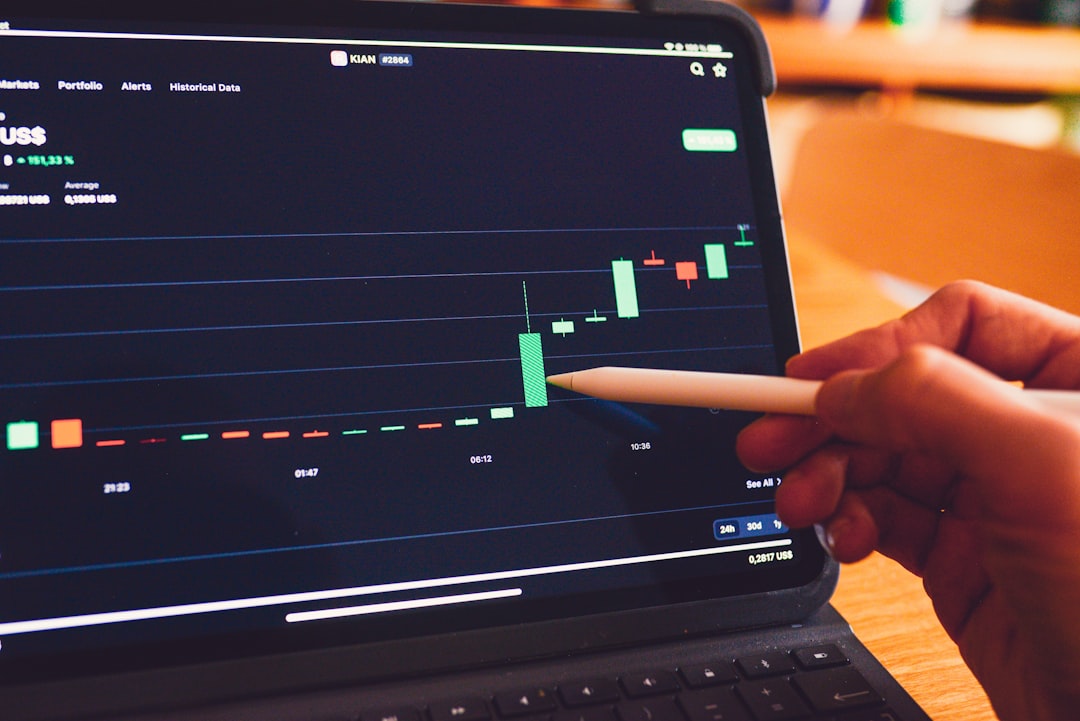
Opening Summary
Brazilian assets head into the weekend under pressure, even as global risk sentiment remains constructive. The Ibovespa is closing the week lower while U.S. equity indices continue to notch gains, underscoring a growing divergence between Brazilian and U.S. markets. Domestic political noise around the 2026 presidential election, external pressures from the Trump administration, and structural concerns about growth and fiscal risks are weighing on local sentiment, despite some positive micro trends such as narrowing gender gaps in formal employment and ongoing payments to low- and middle-income workers via the PIS/Pasep program.
For foreign investors, today’s key themes are: (i) the underperformance of the Ibovespa versus Wall Street and what’s driving it; (ii) rising geopolitical and trade tensions involving the U.S., China, and Brazil ahead of the 2026 election; (iii) emerging policy proposals around crypto and financial innovation; and (iv) labor market and social-transfer dynamics that shape consumption and long-term growth. Global macro data from the euro area and U.S. retail sales, as well as the continued rally in the S&P 500 and Nasdaq, provide an important backdrop for Brazilian assets, particularly for currency and cross-market relative value trades.
Main News Stories
1. Markets: Ibovespa Weakens as Global Risk Appetite Stays Firm
Brazil’s benchmark equity index, the Ibovespa (IBOV), is ending the week on a softer note, even as investors worldwide digest relatively supportive global data. According to Tempo real: Ibovespa fecha semana de olho no PIB da zona do euro e varejo dos EUA (Money Times), Friday’s trading session was driven largely by external indicators: eurozone GDP and trade balance figures, and U.S. retail sales. These releases help shape expectations for global growth and interest rates, which in turn influence capital flows into emerging markets like Brazil.
Yet, while global signals were not outright negative, the Ibovespa failed to participate in the broader risk-on mood. That contrasts sharply with U.S. equities, where futures on the S&P 500 and Nasdaq are heading for a third consecutive weekly gain, although the Dow Jones is lagging, as reported in S&P 500 e Nasdaq Futuro caminham para 3ª alta semanal; Dow Jones fica para trás (InfoMoney). Technology and AI-related names continue to power Wall Street, whereas Brazilian equities remain bogged down by domestic risk factors.
InfoMoney provides a more detailed comparative view in Ibovespa em baixa, S&P 500 e Nasdaq em alta: até onde os índices podem ir?, which looks at weekly charts for the Ibovespa, S&P 500, and Nasdaq. The analysis suggests that technicals for U.S. indices remain constructive, while the Ibovespa is stuck in a downward trend, reflecting both valuation discounts and persistent risk premia on Brazilian assets.
Another InfoMoney piece, Por que o Ibovespa cai enquanto Wall Street bate recordes? 5 fatores explicam, outlines key reasons for this divergence. While the article’s full detail is not reproduced here, typical drivers include:
- Domestic politics and uncertainty around the 2026 presidential election and fiscal trajectory.
- Higher real interest rates in Brazil relative to developed markets, which can weigh on equity valuations and favor fixed income.
- Commodity dynamics, as Brazil’s index is more exposed to cyclical sectors and less to high-growth tech.
- Currency risk, with foreign investors demanding a premium to compensate for BRL volatility.
- Structural concerns about productivity and reform momentum.
Why it matters for investors: The divergence between the Ibovespa and U.S. indices is central for asset allocation decisions. On one hand, underperformance can signal higher risk; on the other, it can create value opportunities if investors believe domestic risks are mispriced. Relative trades (long U.S. tech, short Brazilian cyclicals, or vice versa) will hinge on whether Brazil can improve its macro narrative and reduce political noise in the coming months.
2. Politics & Geopolitics: U.S.–Brazil Tensions and the “China Factor” in the 2026 Election
Brazil’s 2026 presidential election is increasingly shaped by external geopolitical dynamics, particularly the country’s relationship with China and the United States. Brasil 247 reports that the “China factor” has become a central element of the electoral debate in Fator China se torna elemento central das eleições presidenciais de 2026. The article argues that President Luiz Inácio Lula da Silva’s foreign policy, which emphasizes Brazilian sovereignty and closer economic ties with China, has made him a target of criticism from the Trump administration.
China is Brazil’s largest trading partner, especially for commodities such as soy, iron ore, and oil. Any perceived shift in Brazil’s alignment between the U.S. and China can have direct implications for trade flows, investment, and sectoral performance (e.g., agribusiness, mining, infrastructure). The politicization of this relationship during the election period raises questions about future trade policy, industrial strategy, and participation in global supply chains.
In parallel, Money Times highlights a statement from the Trump administration regarding Brazil’s upcoming election. In Governo Trump promete respeitar resultado de eleição no Brasil desde que ‘livre e justa’, the U.S. State Department denies any intention to interfere in Brazil’s presidential race and pledges to respect the outcome, provided the election is “free and fair.” This follows accusations from the Lula government that Washington is attempting to influence the contest.
While such statements might be seen as routine diplomatic language, the conditional phrasing (“since it is free and fair”) can be interpreted domestically as leaving room for future contestation of the result, especially in a polarized environment. For markets, the concern is whether post-election legitimacy will be questioned by key international actors, potentially increasing volatility in Brazilian assets around the vote.
Political tensions also surface in domestic media debates. Brasil 247 criticizes a Folha de S.Paulo columnist in Colunista da Folha agride Dilma com a intenção de atacar Lula e fortalecer a extrema-direita, accusing the writer of minimizing the political sabotage that led to Brazil’s past recession and ignoring the full-employment conditions before the 2016 institutional rupture (the impeachment of former President Dilma Rousseff). While this is more about media and narrative battles, it underscores how economic history is being re-litigated in the run-up to 2026, which can affect investor perceptions of policy continuity and institutional stability.
Why it matters for investors: Geopolitical alignment (U.S. vs. China) will influence Brazil’s trade, investment, and industrial policy over the coming decade. The Trump administration’s rhetoric and domestic polarization increase the probability of political noise around the election. This may translate into higher risk premia for Brazilian assets, especially if investors fear contested results or shifts in external policy that could affect key sectors tied to China (commodities, infrastructure) or to the U.S. (manufacturing, defense, tech).
3. Policy Innovation: Crypto-Friendly Rio and Bitcoin Reserves
On the domestic policy front, crypto and digital assets are entering the electoral debate. Money Times reports that presidential candidate Renan Santos, from the “Missão” party, has proposed creating a national bitcoin reserve and turning Rio de Janeiro into a “crypto-friendly” city. His remarks were made at a blockchain-focused event, as detailed in Renan Santos quer criar reserva em bitcoin e ter o Rio de Janeiro como cidade ‘cripto friendly’.
The idea of a sovereign bitcoin reserve would represent a significant departure from conventional reserve management, which currently relies on fiat currencies (primarily U.S. dollars), gold, and other liquid assets. Making Rio de Janeiro a “crypto-friendly” hub could involve tax incentives, regulatory sandboxes, and infrastructure to attract crypto exchanges, fintechs, and blockchain startups.
Brazil already has a relatively advanced digital payments ecosystem (e.g., the PIX instant payments system) and is exploring a central bank digital currency (CBDC). However, a formal bitcoin reserve would raise concerns around volatility, regulatory oversight, and international perception. For now, this remains a campaign proposal rather than official policy, but it reflects broader debates about financial innovation and sovereignty.
Why it matters for investors:
- Financial sector exposure: If Brazil moves toward more crypto-friendly regulation, it could benefit local fintechs, exchanges, and digital banks, potentially creating new investment opportunities—but also regulatory risks.
- Macro stability: Any shift in reserve management toward crypto would be closely scrutinized by rating agencies and institutional investors. Even discussion of such policies can influence perceptions of policy prudence.
- City-level opportunities: Rio positioning itself as a crypto hub could drive real estate, tech, and service-sector investment in the city, though implementation details would be crucial.
4. Domestic Finance & Institutions: BRB–FGC Loan Stalemate
Institutional and financial-sector risks also came into focus with news that a mediation hearing at Brazil’s Supreme Federal Court (STF) ended without progress on a large loan request involving the Banco de Brasília (BRB). As Money Times reports in Audiência no STF sobre empréstimo ao BRB termina sem avanços, BRB is seeking R$ 6.6 billion from the Fundo Garantidor de Crédito (FGC)—Brazil’s deposit insurance and resolution fund—to cover part of the losses caused by a specific company.
The lack of agreement at the STF means that uncertainty persists around how the BRB losses will be handled and whether the FGC will be tapped to absorb them. The FGC plays a critical role in protecting depositors and ensuring confidence in the banking system. Large, contentious operations involving the fund can raise questions about moral hazard, governance, and the robustness of risk controls at regional banks.
Why it matters for investors:
- Banking sector risk: Prolonged uncertainty around BRB’s situation could lead to risk repricing for smaller and regional banks, even if systemic risk remains limited.
- Institutional process: The involvement of the STF in a financial mediation underscores the role of Brazil’s judiciary in economic matters. Investors often watch these cases as signals of how disputes over public and quasi-public funds are resolved.
- FGC credibility: How this case is resolved will influence market confidence in the FGC’s capacity and criteria for intervention.
5. Labor Market & Social Transfers: PIS/Pasep Payments and Gender Gap in Formal Jobs
Two data points this week shed light on Brazil’s labor market and social-transfer dynamics, both important for understanding consumption and long-term growth.
First, Money Times notes that the final PIS/Pasep payment cycle for 2026 will be executed tomorrow (Saturday, August 15), as detailed in Último PIS/Pasep de 2026 será pago amanhã; veja quem poderá se beneficiar. PIS (Programa de Integração Social) and Pasep (Programa de Formação do Patrimônio do Servidor Público) are social contribution programs that provide annual bonuses to eligible workers, often up to one minimum wage. The August payment will cover workers born in November and December, who can withdraw the benefit until the last banking day of the year (December 31).
These payments inject cash into lower-income households and can support retail sales and small-ticket consumption. For consumer-oriented companies and banks, the timing and scale of PIS/Pasep disbursements can influence short-term revenue and credit dynamics.
Second, Money Times highlights progress in reducing gender disparities in formal employment in Cai diferença entre homens e mulheres no acesso ao emprego formal. Using data from the June Rais Mensal (a monthly administrative register of formal jobs), the article notes that out of 62.8 million formal jobs (including workers with signed labor contracts and public agents), women still do not represent the majority but the gap with men has narrowed in recent years.
Brazil’s formal labor market is crucial for tax collection, social security contributions, and creditworthiness. A shrinking gender gap suggests increasing female participation in formal work, which can have positive implications for household income, consumption patterns, and long-term human capital development.
Why it matters for investors:
- Consumption support: PIS/Pasep payments and rising formal employment among women can bolster demand for consumer goods, banking services, and housing over time.
- ESG and social metrics: Improved gender inclusion in formal jobs is relevant for ESG-focused investors, particularly those tracking social indicators in their portfolios.
- Credit quality: More stable, formal employment typically supports better loan performance and lower default rates for banks.
6. Technology & Consumer Finance: Brazilians Want AI Support but Human Control
Digital transformation in Brazilian finance continues, but consumer attitudes show a clear preference for human oversight. InfoMoney reports in Brasileiro quer IA nas finanças, mas não abre mão da decisão final, mostra estudo that Brazilian consumers are broadly supportive of using artificial intelligence (AI) in banking and financial services—particularly for convenience, personalization, and faster service—but insist on retaining control over final decisions.
This aligns with Brazil’s experience as a high-adoption market for digital banking, neobanks, and fintechs, coupled with strong consumer protection norms. The challenge for financial institutions is to deploy AI in ways that enhance user experience and operational efficiency without undermining trust or perceived autonomy.
Why it matters for investors:
- Fintech and bank strategies: Banks and fintechs that balance AI-driven innovation with human oversight may be better positioned to capture market share and avoid regulatory backlash.
- Regulatory environment: Consumer expectations can shape future regulation on AI in finance, impacting compliance costs and product design.
- Product differentiation: Foreign investors in Brazilian financials should watch which institutions successfully integrate AI while maintaining strong customer satisfaction metrics.
Market Context
The stories above fit into a broader picture of a Brazilian market that is fundamentally sound in some structural respects (diversified economy, deep capital markets, strong digital finance adoption) but currently weighed down by political uncertainty and relative macro disadvantages versus the U.S.
On the external front, eurozone GDP and trade data, along with U.S. retail sales, are shaping expectations for global growth. The fact that the S&P 500 and Nasdaq are heading for their third straight weekly gain suggests that global investors remain comfortable with risk, particularly in tech and AI-related sectors. However, this risk appetite is not spilling over into Brazil, where the Ibovespa continues to lag. The divergence highlighted in the InfoMoney pieces reflects both cyclical and structural factors: Brazil’s index is less tech-heavy and more exposed to commodities and domestic cyclicals, and investors demand a higher risk premium given political and fiscal uncertainties.
Domestically, the 2026 election looms large. The “China factor” and U.S. rhetoric about respecting Brazil’s election only if it is “free and fair” inject geopolitical tension into the economic outlook. Proposals like a bitcoin reserve and a crypto-friendly Rio show that parts of the political spectrum are experimenting with non-traditional policy ideas, which can be seen as
Photo by rc.xyz NFT gallery on Unsplash
📬 Follow Easy Brazil Investing for more English-language coverage of Brazil’s best investment opportunities. Or follow us on X
Leave a Reply