
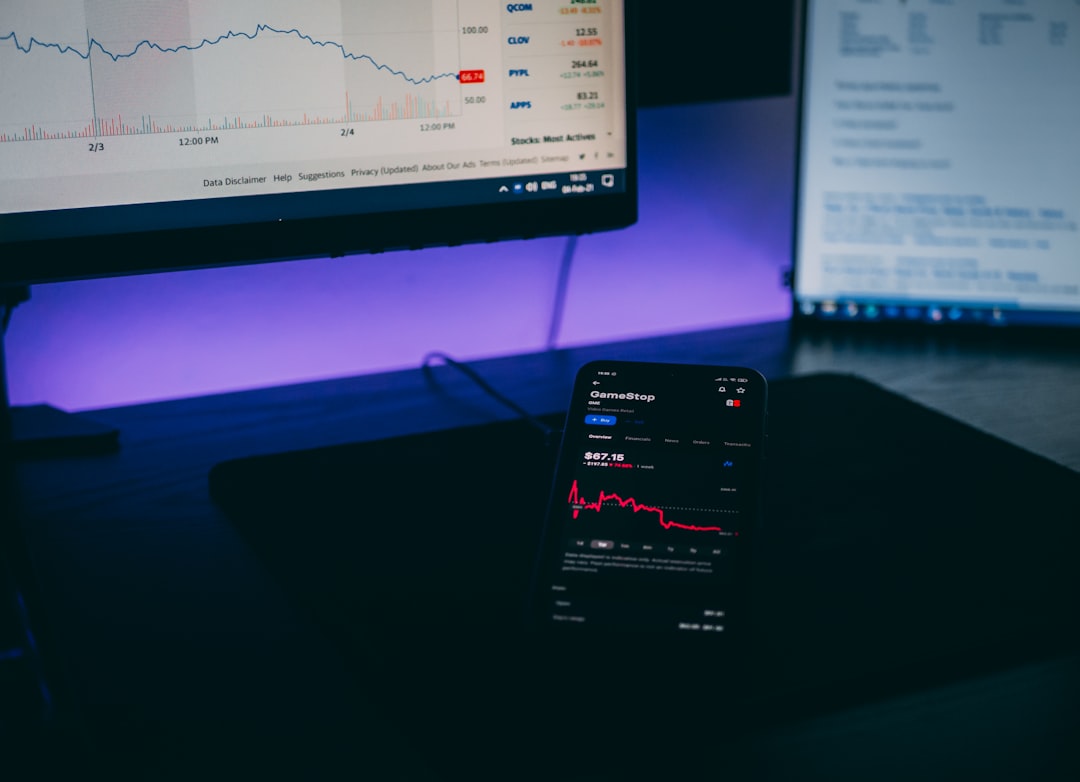
Opening Summary
Brazilian markets open this Tuesday, July 28, 2026, with investors focused on inflation data, a stronger trade surplus, and shifting political dynamics ahead of the 2026 presidential race. Globally, pressure on semiconductor stocks and debates around China’s industrial “overcapacity” are shaping risk sentiment, while domestic stories highlight how Brazilian banks, new health-related business models, and evolving investment vehicles are repositioning for the next phase of growth.
For foreign investors, today’s key themes are: (1) Brazil’s improving external accounts and what that means for the currency and rates; (2) the political realignment around São Paulo governor Tarcísio de Freitas and the gender gap in voter preferences; (3) sector-specific opportunities as earnings season gets underway; and (4) structural shifts in how Brazilian investors access global assets and inflation protection. Together, these developments help frame Brazil’s risk-reward profile in the second half of 2026.
Main News Stories
1. Macro & Markets: Inflation Watch and Trade Surplus Strengthen Brazil’s External Position
Brazilian equities are trading with an eye on inflation prints both at home and abroad. The benchmark Ibovespa index (IBOV) is tracking the release of the IPCA-15 — Brazil’s mid-month consumer price index used as a leading indicator of the official IPCA inflation — as well as Japan’s CPI data, in a session dominated by inflation-related news. Intra-day commentary from local desks highlights that traders are adjusting positions in interest-rate sensitive sectors and fixed-income proxies as they digest the numbers and implications for the Banco Central do Brasil’s next moves.
Real-time coverage from Money Times notes that the Ibovespa’s performance today is closely tied to the IPCA-15 trajectory and global inflation prints, with investors scrutinizing how much room the central bank still has to cut rates without undermining its inflation target. See: Tempo real: Ibovespa monitora inflação no Brasil e no Japão (Money Times).
On the external front, Brazil’s trade numbers continue to surprise positively. According to data highlighted by Brasil 247, the country’s trade surplus (exports minus imports) has grown 36.2% so far in 2026, reaching US$ 48.9 billion. Exports are up 11.2% year-to-date, while total trade (exports + imports, known locally as “corrente de comércio”) has reached US$ 375.82 billion. This performance reflects solid demand for Brazilian commodities and manufactured goods, and suggests that Brazil’s external accounts remain a source of strength.
More details: Superávit comercial do Brasil cresce 36,2% e chega a US$ 48,9 bilhões em 2026 (Brasil 247).
Why it matters for investors:
- Inflation data: IPCA-15 trends are a key input for the central bank’s interest rate decisions. Lower-than-expected readings support continued easing, benefiting domestic equities and fixed income, while higher prints could trigger repricing in rate-sensitive assets and weigh on growth stocks.
- Trade surplus: A robust surplus improves Brazil’s balance of payments, supports the Brazilian real (BRL), and reduces external vulnerability. It also underscores the resilience of Brazil’s export sectors (agriculture, mining, energy, and some manufacturing).
Potential market impact: If inflation remains contained, we may see a constructive environment for Brazilian bonds and equities, with the BRL supported by strong external accounts. However, global risk sentiment, especially around tech and semiconductors (see next section), could cap gains and increase volatility.
2. Global Tech Selloff: Semiconductor Rout in Asia and Mixed U.S. Futures
Global markets are facing renewed pressure in the technology space, particularly in semiconductors. InfoMoney reports that New York futures are trading mixed as chip-related stocks come under pressure, reflecting concerns about valuations and the sustainability of the artificial intelligence (AI) boom. This follows a sharp selloff in Asian semiconductor names, which is reverberating across global risk assets.
In Asia, Samsung and SK Hynix — two of the world’s largest memory chip producers — have suffered their biggest declines in nearly two decades. Brasil 247 notes that investors are questioning whether current valuations in advanced semiconductor and AI-related segments are justified, and whether demand growth can sustain the recent rally. The article also highlights China’s advance in the sector and growing fears of an “AI bubble.” See: Ações de chips despencam na Ásia com avanço da China e temor de bolha da inteligência artificial (Brasil 247).
InfoMoney’s market coverage adds that U.S. futures are reacting to this sector-specific stress, with investors rotating out of high-beta tech into more defensive or value-oriented plays. See: Futuros de NY operam mistos com pressão sobre ações de semicondutores (InfoMoney).
Why it matters for Brazilian investors:
- Risk sentiment: Brazil is still a high-beta emerging market. When global investors de-risk from expensive tech segments, they often reduce exposure to EM equities, including Brazil, even if fundamentals are solid.
- Sector rotation: A correction in tech can benefit commodity producers and financials as investors seek more reasonably valued sectors with tangible cash flows. Brazil’s index is heavily weighted toward banks, energy, and materials, which can act as relative safe havens.
- China’s role: China’s growing semiconductor capabilities and the broader debate over “overcapacity” (see section 4) have implications for global supply chains and demand for Brazilian exports, especially industrial inputs.
Potential market impact: Short-term volatility in tech-heavy global indices may pressure Brazilian ADRs and cross-listed names, but could also reinforce Brazil’s appeal as a value and yield play within EM. Investors should watch whether global funds rotate toward commodity and financial sectors, which could support Brazilian equities.
3. Domestic Financial Sector: Bradesco’s Fixed-Income Comeback & Retail Access to Global ETFs
Brazil’s financial sector is undergoing notable shifts, both at the wholesale and retail levels.
Bradesco regains fixed-income leadership. After nearly a decade, Bradesco has reclaimed the top spot in Brazil’s fixed-income issuance market. According to Brasil 247, the bank executed R$ 62 billion in operations in the first half of 2026, putting it back at the forefront of corporate debt issuance and structured products. This milestone suggests that Bradesco is successfully repositioning itself in capital markets and capturing demand from corporates looking to refinance, raise growth capital, or term out liabilities at still-attractive rates.
Link: Bradesco retoma liderança em renda fixa após quase uma década (Brasil 247).
BDRs as a gateway to foreign ETFs. On the retail side, InfoMoney reports that Brazilian Depositary Receipts (BDRs) are gaining traction as a convenient route for local investors to access foreign exchange-traded funds (ETFs). A BDR is a Brazilian-traded instrument representing shares or units of foreign assets. Historically focused on individual foreign stocks, the BDR market is now increasingly being used to list international ETFs, giving Brazilian investors easier access to global diversification without opening offshore accounts.
A head of allocation at asset manager HMC Capital (cited by InfoMoney) notes that BDRs linked to foreign ETFs are becoming an important tool in portfolio construction, allowing exposure to U.S., European, and sector-specific indices in a tax- and operationally efficient manner. See: BDRs ganham espaço na Bolsa como via de acesso a ETFs estrangeiros (InfoMoney).
Why it matters for investors:
- Bank earnings and valuations: Bradesco’s regained leadership in fixed-income issuance can support fee income and cross-selling opportunities, potentially improving profitability. For foreign investors in Brazilian bank ADRs, this offers a positive signal about capital markets activity and corporate confidence.
- Market depth and sophistication: The expansion of BDRs for ETFs indicates a maturing local investor base and deeper integration of Brazil into global capital markets. This can improve liquidity, reduce home bias, and indirectly support the BRL by keeping savings invested domestically, even when exposure is global.
Potential market impact: Banks may benefit from stronger fee-based revenues and capital markets activity, supporting valuations. Growing use of BDRs for ETFs suggests continued development of Brazil’s financial infrastructure, which is positive for long-term foreign participation in B3 (the São Paulo stock exchange).
4. Structural Themes: Health, Fertility, and China’s Industrial Strategy
Mental health and fertility as strategic business assets
InfoMoney highlights an emerging trend in Brazil: mental health and fertility services are increasingly seen as strategic assets and new business frontiers. Once considered taboo topics, corporate Brazil is now integrating mental health support and fertility benefits (such as IVF coverage or egg freezing) into employee value propositions. Startups and specialized clinics are scaling to meet demand, while insurers and large healthcare groups explore new products.
The article frames these segments as “strategic assets” because they impact productivity, talent retention, and long-term demographic trends. As Brazilian companies compete for skilled labor, especially in tech and services, offering robust mental health and reproductive support can differentiate employers and reduce turnover costs. See: Saúde mental e fertilidade viram ativos estratégicos e novas frentes de negócios (InfoMoney).
Why it matters: For investors, this signals growth opportunities in healthcare services, healthtech, HR benefits platforms, and insurance. Listed players in hospitals, diagnostic services, and health plans may expand into these niches, potentially creating new revenue streams with relatively high margins if scaled effectively.
China disputes “overcapacity” narrative, calls out Western protectionism
On the global macro front, Brasil 247 reports on a document from China’s Ministry of Commerce challenging the Western narrative of Chinese “supercapacity” — the idea that China’s industrial output in sectors like EVs, solar, and batteries far exceeds domestic and global demand, depressing prices and harming foreign competitors. The Chinese document argues that its industrial expansion is driven by innovation and reforms, and should be seen as an opportunity for the global economy rather than a threat.
The statement criticizes what it calls protectionist measures by the U.S. and Europe, including tariffs and subsidies aimed at limiting Chinese imports and production. See: China rebate narrativa de “supercapacidade” e denuncia protecionismo dos EUA e da Europa (Brasil 247).
Why it matters for Brazil:
- Trade patterns: Brazil is a major supplier of commodities to China (iron ore, soy, oil) and increasingly a partner in industrial chains (e.g., EV minerals). China’s industrial strategy affects global demand for Brazilian exports and the competitive landscape for Brazilian manufacturing.
- Geopolitical positioning: Brazil often tries to maintain a balanced stance between Western powers and China. Heightened tensions over industrial policy could create both risks (pressure to choose sides) and opportunities (diversification of supply chains, new investment flows).
Potential market impact: Over the medium term, China’s industrial trajectory and Western responses will shape demand for Brazilian commodities and manufacturing exports. Investors with exposure to Brazilian miners, agribusiness, and industrials should monitor these developments closely.
5. Politics: Tarcísio’s Rise, Gender Gap in Voter Preferences, and Regional Tensions
Tarcísio de Freitas as the “most disputed asset” in the 2026 race
InfoMoney’s political analysis describes São Paulo governor Tarcísio de Freitas as the “most disputed asset” among contenders for Brazil’s presidency in 2026. The piece explains how Tarcísio — a former infrastructure minister under Jair Bolsonaro and now a governor of the country’s richest state — has become central to coalition-building efforts on the center-right and right.
Flávio Bolsonaro, son of former President Jair Bolsonaro, is portrayed as a pre-candidate trying to secure Tarcísio’s support or at least prevent him from aligning with rival conservative or centrist forces. The article suggests that Tarcísio’s technocratic profile, perceived managerial competence, and control of São Paulo’s political machinery make him an attractive running mate or alternative presidential candidate. See: Por que Tarcísio se tornou o ativo mais disputado pelos concorrentes à Presidência (InfoMoney).
Female electorate rejects Flávio Bolsonaro, Datafolha shows
Complementing this, Brasil 247 reports on a new Datafolha poll showing that the female electorate is significantly more resistant to Flávio Bolsonaro’s presidential ambitions. The survey indicates that President Lula holds a roughly 10-point advantage among women voters, and that Flávio faces higher rejection rates in this segment than in the electorate as a whole.
This gender gap could prove decisive in a general election, as women constitute a majority of voters and often prioritize issues like social policy, healthcare, and security differently from men. See: Eleitorado feminino rechaça Flávio Bolsonaro, aponta Datafolha (Brasil 247).
Tensions with Argentina and regional integration
Two opinion pieces from Brasil 247 discuss the deteriorating relationship between Brazil’s President Lula and Argentina’s President Javier Milei. One article argues that Milei has “torn up” a 41-year-old pact — a reference to longstanding diplomatic and economic cooperation frameworks between the two countries, including Mercosur and various bilateral understandings. It suggests that relations have reached a “point of no return” as long as both current presidents remain in office, and criticizes Milei’s confrontational rhetoric.
Another piece contrasts Brazil’s economic “sovereignty” under Lula with Argentina’s perceived lack of sovereignty under Milei, pointing to differences in industrial policy, currency management, and social protections. The author praises Lula’s strategy of responding to Milei’s insults with “disdain,” rather than escalation, framing it as a pragmatic choice that preserves Brazil’s regional leadership. See: Milei rasga o pacto firmado há 41 anos and Ao contrário do Brasil de Lula, a Argentina de Milei não tem soberania econômica (Brasil 247).
Why it matters for investors:
- 2026 election risk: The configuration of center-right and right forces around Tarcísio and Flávio Bolsonaro will shape expectations about future fiscal policy, privatization, and regulatory approaches. Markets generally favor candidates seen as fiscally conservative and pro-business, but social and political stability also matter.
- Gender gap and social policy: Lula’s advantage among women may reinforce the durability of social spending and progressive policies, which can affect sectors like education, healthcare, and consumer goods.
- Regional dynamics: Strained relations with Argentina may impact Mercosur negotiations, cross-border trade, and joint infrastructure or energy projects. However, Brazil’s economic size and diversification limit direct macro risk from bilateral tensions.
Potential market impact: In the near term, these are more about shaping medium-term political scenarios than driving immediate price action. However, foreign investors should integrate the evolving political landscape into their risk assessments for 2027 and beyond.
6. Retail Investing Trends: Inflation Protection and Stock Picks for Earnings Season
Photo by Dimitris Chapsoulas on Unsplash
📬 Follow Easy Brazil Investing for more English-language coverage of Brazil’s best investment opportunities. Or follow us on X
Leave a Reply