
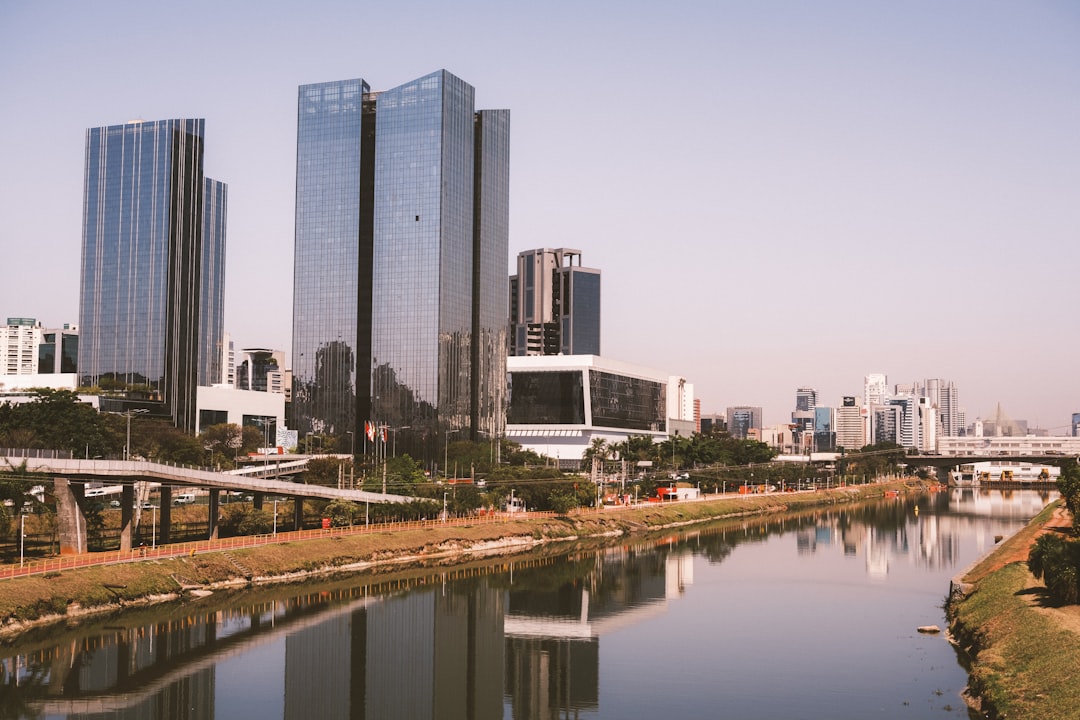
Opening Summary
Brazilian markets start Tuesday, May 12, 2026, trading under pressure from global risk-off sentiment, higher oil prices, and renewed focus on inflation and interest rates in the United States. Domestically, the news flow mixes micro-level themes—like financial planning and succession strategies increasingly adopted by wealthy Brazilians—with macro and political signals that shape the country’s risk premium.
For foreign investors, three threads stand out today: (1) the impact of the Mercosur–EU trade agreement on Brazilian agribusiness and consumer sectors; (2) the interaction between global macro (U.S. inflation, oil, Federal Reserve policy) and Brazilian assets; and (3) structural shifts in local investment behavior, from allocation and succession planning to fund flows and long-term equity strategies. Together, these factors influence the outlook for Brazilian equities, the real (BRL), and fixed income over the coming months.
Main News Stories
1. Trade & Commodities: Mercosur–EU Deal Starts to Bite
One of the most tangible developments for Brazil’s real economy and listed companies is the early implementation effects of the Mercosur–European Union trade agreement.
Cheaper European Cheese, Tax-Free Brazilian Meat and Cachaça
According to the Ministry of Development, Industry, Commerce and Services (MDIC), Brazil has already begun importing European cheese at reduced tariffs and exporting certain products to Europe with zero or lower import taxes after the agreement took effect on May 1.
The main points from Brasil importa queijo mais barato e exporta cachaça e carnes sem impostos após acordo Mercosul–UE (Money Times) include:
- Brazilian imports of European cheese are now benefiting from reduced import tariffs, making imported dairy products more competitive in the domestic market.
- Brazil has started exporting:
- Beef (carne bovina)
- Poultry (carne de aves)
- Cachaça (Brazilian sugarcane spirit)
to the EU with reduced or zero tariffs for specific quotas or product categories.
- The MDIC highlights this as an early sign of the agreement’s potential to reshape trade flows between Brazil and Europe.
Why it matters for investors:
- Agribusiness exporters: Large meatpackers (e.g., JBS, BRF, Marfrig, Minerva) and beverage companies with cachaça or spirits portfolios could see medium-term volume and margin benefits from better access to the EU market. The impact will depend on quota sizes, sanitary requirements, and pricing dynamics, but the direction is positive for export-oriented agribusiness.
- Domestic dairy producers: Brazilian dairy companies and cooperatives may face increased competition from higher-quality or premium European cheeses at lower prices. This could pressure margins in certain segments, especially in urban premium markets, while potentially benefiting retailers and consumers.
- Inflation channel: Cheaper imported cheese could marginally help food inflation at the margin, though the effect is likely modest. Export gains in meat and spirits support Brazil’s trade balance and foreign exchange inflows, which are supportive for the BRL if sustained.
Potential market impact: In the short term, the announcement is more symbolic than price-moving, but it reinforces the long-term bullish thesis on Brazilian agribusiness competitiveness and export diversification. On the equity side, it adds another argument for overweighting high-quality protein exporters and select consumer names that can benefit from cheaper imports or improved supply chains.
2. Global Macro & Oil: U.S. SPR Release vs. Rising Crude
U.S. Strategic Petroleum Reserve (SPR) Release
The U.S. Department of Energy (DOE) approved access to approximately 53.3 million barrels of crude oil from the Strategic Petroleum Reserve (SPR), as reported in Departamento de Energia faz nova liberação de reservas estratégicas de petróleo nos EUA (Money Times).
This release is part of ongoing efforts by the U.S. government to manage energy prices and supply in the face of geopolitical tensions and tight global markets. The barrels will be made available to various companies, contributing to supply in the short term.
Why it matters for Brazil:
- Petrobras and oil juniors: Brazil’s state-controlled oil major Petrobras and independent E&P companies are highly sensitive to global oil prices. While SPR releases tend to put downward pressure on crude in the short term, the fact that oil prices remain elevated (see below) suggests structural tightness persists.
- Fiscal and external accounts: Higher oil prices support Brazil’s export revenues and royalties, improving current account dynamics and federal/State fiscal receipts, but can also contribute to domestic fuel inflation.
Dow Futures Down, Oil Up, Inflation in Focus
Global equity sentiment remains cautious. Dow Jones Futuro cai com petróleo em alta e dados de inflação no radar (InfoMoney) notes that U.S. stock index futures are trading lower as investors digest:
- Rising oil prices despite SPR releases and supply interventions.
- Upcoming U.S. inflation data that could influence expectations for Federal Reserve policy.
Why it matters for Brazilian assets:
- Risk sentiment: Brazil is still perceived as an emerging market with higher risk. When U.S. futures fall and global risk appetite drops, foreign investors tend to reduce exposure to EM equities and currencies, pressuring the Ibovespa and BRL.
- Oil–FX link: Higher oil prices can be a double-edged sword. They support Brazil’s terms of trade (good for the BRL) but also fuel global inflation concerns, which can keep U.S. rates higher for longer, raising the global cost of capital and weighing on EM valuations.
Potential market impact: Today’s global macro backdrop is consistent with a weaker Ibovespa in the short term, particularly in rate-sensitive sectors (growth stocks, domestic cyclicals). However, energy and export-oriented names may be relatively resilient.
3. Domestic Markets: Ibovespa Under Pressure, Futures Levels in Focus
Short-Term Technicals: Mini-Dollar and Mini-Index
Local trading desks are focused on key technical levels in futures contracts for the dollar and the Ibovespa.
Minidólar (WDOM26): veja os níveis técnicos para operar nesta terça (InfoMoney) and Mini-índice (WINM26): pressão sobre suportes aumenta após nova queda (InfoMoney) highlight:
- Mini-dollar (WDOM26): Analysts point out resistance and support zones for intraday trading, indicating a market attentive to global FX moves and local political noise.
- Mini-index (WINM26): The Ibovespa future is testing important support levels after another session of declines, with pressure coming from global risk-off mood and domestic concerns.
Complementing this, Day Trade hoje (12): Ibovespa segue em baixa no curto prazo; o que esperar? (InfoMoney) notes that short-term trend remains negative, with analysts mapping out intraday support/resistance zones for traders.
Why it matters for foreign investors:
- Volatility: The emphasis on technical levels underscores a market environment driven by short-term flows and news, rather than fundamentals alone. This can create attractive entry points for long-term investors willing to tolerate volatility.
- FX–Equity correlation: When the mini-dollar future strengthens (BRL weakens), foreign investors may see cheaper entry levels in USD terms, but need to assess whether currency weakness reflects temporary risk-off or deeper deterioration in fundamentals.
Potential market impact: Near-term pressure on the Ibovespa and BRL is consistent with ongoing global uncertainty. Long-term investors should distinguish between noise and signal, focusing on structural stories (energy, agribusiness, infrastructure, quality financials) rather than day-to-day technical moves.
4. Domestic Politics & Governance: Electoral Integrity and Corruption Risks
Vote-Buying Still Widespread
A new survey by Ipsos-Ipec and the Movimento de Combate à Corrupção Eleitoral (MCCE) reveals that 22% of Brazilians say they have already received an offer to sell their vote in some election. The findings are detailed in 1 em cada 5 brasileiros diz já ter recebido oferta para compra de voto, diz pesquisa (Money Times).
The survey is part of the “Voto não tem preço” (“Vote has no price”) campaign, aimed at discouraging vote-buying and reinforcing electoral integrity.
Why it matters for investors:
- Governance risk: Persistent vote-buying signals structural weaknesses in Brazil’s political system, especially at local and regional levels. This can translate into:
- Clientelistic policies and inefficient public spending
- Higher corruption risk
- Policy unpredictability
- Risk premium: Investors price political and institutional quality into sovereign spreads and currency risk. Evidence of systemic electoral corruption can sustain a higher risk premium for Brazilian assets, especially around election cycles.
Potential market impact: While this survey alone is unlikely to move markets today, it reinforces a key structural consideration: Brazil offers significant upside, but governance and institutional risks remain central to long-term valuation. Investors should monitor reforms, enforcement actions, and electoral rules that may gradually improve or worsen this picture.
5. Investment Behavior: Fund Flows, Long-Term Strategies, and Financial Planning
Equity Funds Beating the Ibovespa Are Losing Investors
Saíram na hora errada? Maioria dos fundos que bateram o Ibovespa perdeu investidores em 12 meses (Estadão E-Investidor) reports that most equity funds that outperformed the Ibovespa over the last 12 months have nonetheless lost investors.
While the article’s detailed statistics are behind a paywall, the core message is clear:
- Even successful funds (relative to the benchmark) are seeing net redemptions.
- This suggests a combination of:
- Retail investors’ impatience with volatility and short-term drawdowns
- Rotation into fixed income or other perceived “safer” assets amid higher interest rates
- Possibly fee sensitivity and a shift to ETFs or direct stock picking
Why it matters for foreign investors:
- Market depth and liquidity: Outflows from active equity funds can reduce liquidity in small and mid-cap stocks, increasing volatility and bid–ask spreads. Large caps are less affected but may also see lower domestic demand.
- Behavioral signal: Local investors’ risk aversion at a time when valuations may already be compressed can create opportunities for foreign capital with longer horizons.
Long-Term Equity Success: 11,500% in 25 Years
On the other side of the spectrum, As teses do fundo de ações brasileiro que rendeu 11.500% nos últimos 25 anos (InfoMoney) profiles Guepardo, a Brazilian equity fund that has delivered an extraordinary 11,500% return over 25 years.
Key themes from the article include:
- The fund’s long-term, concentrated investment philosophy.
- Focus on high-quality companies with durable competitive advantages.
- Patience through cycles, including periods of significant drawdowns.
Why it matters:
- Proof of concept: The Guepardo case illustrates that disciplined, long-term equity investing in Brazil can generate substantial wealth, despite volatility, political crises, and macro shocks.
- Signal to foreign investors: For non-residents, it’s a reminder that Brazil’s equity market, though volatile, offers rich opportunities for active managers and long-term stock pickers, particularly in underfollowed sectors.
Financial Planning and Succession: Growing Sophistication
Three Suno articles highlight a growing emphasis on structured financial planning and succession among Brazilian investors:
- Como alinhar investimentos a um planejamento financeiro eficiente (Suno) discusses how to align investments with an efficient financial plan.
- Sucessão patrimonial: como organizar a transferência de bens (Suno) explains the process of transferring assets after death and how to organize it.
- Planejamento sucessório: o que é, como fazer e estratégias para proteger o patrimônio (Suno) outlines strategies for succession planning to protect wealth.
Core concepts:
- Planejamento financeiro: Financial planning as a pillar of wealth building and preservation, emphasizing:
- Goal-based investing
- Asset allocation aligned with risk tolerance and time horizon
- Integration of investments with tax, legal, and family considerations
- Sucessão patrimonial / planejamento sucessório: Succession planning in Brazil is complex due to:
- Civil law rules on inheritance and forced heirship
- Potentially high tax and legal costs
- Need for structures such as holding companies, life insurance, or family agreements
Why it matters for foreign investors:
- Growing domestic sophistication: As Brazilian HNWIs and upper-middle-class investors adopt more sophisticated planning and succession structures, this can:
- Increase demand for financial products (funds, insurance, offshore structures)
- Support the development of wealth management and capital markets
- Stability of capital: Better succession planning reduces forced asset liquidation upon death and can stabilize long-term holdings in Brazilian companies and real estate, supporting market depth.
6. Global Perspective: Fed, Inflation, and Tech Philanthropy
Powell’s Legacy: Inflation Still Above Target, Fed Independence Intact
Inflação longe da meta e Fed independente: qual o legado de Jerome Powell? (InfoMoney) reviews the legacy of Federal Reserve Chair Jerome Powell.
Key themes:
- Inflation in the U.S. remains above the Fed’s 2% target, raising questions about timing and magnitude of future rate cuts.
- Despite political pressures, the Fed has maintained institutional independence, which is crucial for market credibility. Photo by Ivan Cheremisin on Unsplash
📬 Follow Easy Brazil Investing for more English-language coverage of Brazil’s best investment opportunities. Or follow us on X
Leave a Reply