
Opening Summary
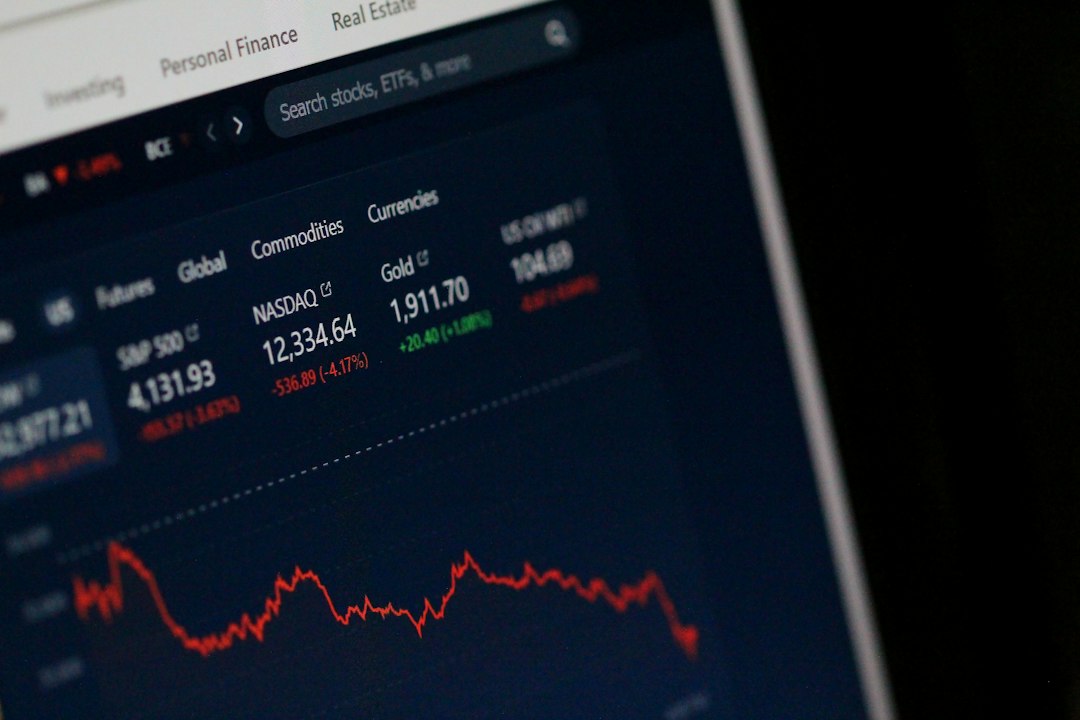
With the São Paulo stock exchange (B3) closed for a local holiday, Brazilian assets are taking a brief pause just as global markets see sharp risk-off moves led by a steep correction in U.S. tech stocks. At the same time, domestic policy and regulatory signals continue to reshape Brazil’s long‑term investment landscape: the federal government is deepening affirmative action in public hiring, health insurers are lobbying for regulatory changes, and labor reforms are altering the cost structure for employers.
For foreign investors, today’s key themes are: (1) rising global volatility and warnings from major banks that equity corrections may continue; (2) a “Black Friday” valuation reset in Brazilian stocks that could create selective opportunities; (3) structural shifts in Brazil’s labor market and public-sector diversity that may affect productivity, social stability, and political risk; and (4) sector‑specific regulatory debates, particularly in private healthcare. Geopolitical narratives around Latin America and the Asia‑Pacific—while not directly market moving today—frame the broader environment for Brazilian trade, capital flows, and diplomatic positioning.
Main News Stories
1. Global Selloff Hits Risk Assets While B3 Is Closed
InfoMoney reports that global markets are tumbling during a Brazilian holiday, leaving local investors unable to trade while international risk assets reprice downward. The article highlights a sharp drop in Nvidia and other major U.S. tech names, with Goldman Sachs warning that further declines could be ahead, rather than a quick rebound. The tone is one of heightened caution: the correction is not seen as a one‑day event but as part of a broader reassessment of risk and valuations.
Although the piece focuses on global moves, the context is crucial for Brazil. When B3 reopens, Brazilian equities are likely to “catch up” to the global risk-off sentiment. High‑beta sectors—such as cyclicals, commodities, and growth/tech names listed in Brazil—could see pressure, especially where foreign investors are dominant in the shareholder base. The article underscores that this selloff is happening in a fragile macro backdrop, with concerns about interest rate paths and corporate earnings resilience.
Mercados globais desabam em feriado na B3 e Goldman alerta: mais quedas estão por vir (InfoMoney)
Why it matters for investors:
- Brazil will reopen into a global risk-off environment, likely impacting the B3 benchmark (Ibovespa) and sector indices.
- Foreign flows—which are highly sensitive to global risk sentiment—may turn more defensive, affecting the BRL and local bond yields.
- Investors should be prepared for gap moves in Brazilian ADRs (traded in New York) and in local equities when trading resumes.
Potential market impact: Expect increased volatility, wider bid–ask spreads, and possible short‑term overshooting in prices, especially in names with high foreign ownership or strong correlation to U.S. tech and global growth narratives.
2. “Black Friday” Valuations: 10 Brazilian Stocks With Compressed P/E Ratios
Another InfoMoney piece frames today’s market environment as a kind of “Black Friday” on the B3, identifying ten profitable Brazilian companies whose price‑to‑earnings (P/E) multiples have seen the largest declines recently. The article emphasizes that these are not distressed firms; they are generating positive earnings but are now trading at significantly cheaper valuation metrics compared to historical averages.
While the article’s full list is behind the link, the typical profile of such names includes mature financial institutions, utilities, and well‑established industrial or consumer companies that have faced sentiment‑driven selloffs or sector‑wide de‑rating. The focus on P/E compression is important: it suggests that the market is discounting either weaker future growth, higher risk premia, or both.
Black Friday? As 10 ações com maior queda de um dos múltiplos mais usados no mercado (InfoMoney)
Why it matters for investors:
- Lower P/E multiples in profitable companies may present value opportunities for long‑term investors with a tolerance for near‑term volatility.
- Foreign investors can use these signals to screen for Brazilian equities where fundamentals have diverged from price.
- The widespread compression of valuations may reflect broader macro concerns—such as fiscal risks, regulatory uncertainty, or global risk aversion—rather than company‑specific issues.
Potential market impact: If global risk sentiment stabilizes, these “cheap but profitable” names could lead a rebound, particularly for value‑oriented strategies. However, if risk-off persists, further multiple compression is possible before a bottom is found.
3. Labor Reform: End of the 6×1 Work Schedule and Its Economic Implications
Brasil 247 reports that federal deputy Alencar Santana is celebrating the end of the “escala 6×1” work regime as the most significant labor victory of 2026. The 6×1 schedule—six consecutive days of work followed by one day of rest—has been common in retail, services, and some industrial sectors. Its abolition is framed as a measure that restores dignity and social time to millions of Brazilian workers, reducing excessively exhausting routines.
Alencar Santana celebra fim da escala 6×1 como a maior conquista dos trabalhadores em 2026 (Brasil 247)
Why it matters for investors:
- Changes to work schedules can directly impact labor costs, staffing models, and productivity, especially in labor‑intensive sectors (retail, logistics, manufacturing).
- Companies may need to hire additional staff or redesign shift structures to comply, potentially increasing operating expenses.
- On the positive side, improved working conditions may reduce absenteeism, turnover, and labor disputes over the medium term.
Potential market impact: In the short run, margins may be pressured in sectors most reliant on 6×1 schedules. Investors should watch corporate guidance and earnings calls for commentary on labor cost inflation and operational adjustments. Over time, if reforms contribute to social stability and consumer confidence, they may indirectly support domestic demand.
4. Public-Sector Diversity: 45% of New Federal Civil Servants Are Black Since 2023
Brasil 247 highlights a significant structural shift in Brazil’s federal civil service: since 2023, Black and mixed‑race (pretos e pardos) individuals account for 45% of new federal hires. This change is attributed to affirmative action policies and revisions to the “Lei de Cotas” (Quotas Law), which expanded access for underrepresented groups. The article notes that representation in leadership roles is also increasing, though still below the group’s share in the overall population.
Pessoas negras representam 45% dos novos servidores federais desde 2023 (Brasil 247)
Why it matters for investors:
- A more diverse public administration can influence policy priorities, regulatory approaches, and the design of social programs, potentially affecting sectors like education, health, and housing.
- Improved representation may enhance social cohesion and reduce long‑term political risk associated with inequality and exclusion.
- International investors increasingly consider ESG (Environmental, Social, Governance) factors; diversity in government can shape the ESG profile of the country and its state‑linked companies.
Potential market impact: The immediate financial impact is limited, but over time, shifts in public‑sector demographics can affect policy direction, including support for inclusive growth, affirmative action in state-owned enterprises, and targeted development programs. This may change the operating environment for sectors dependent on public contracts or regulation.
5. Health Insurance Sector: Three Priorities for the Lula Government
The Brazilian Association of Health Plans (Abramge) has presented three key priorities to the incoming Lula administration, according to Brasil 247. The private health insurance sector is calling for: (1) a reduction in “judicialização” (the high incidence of court cases against health plans), (2) clear criteria for incorporating new medical technologies into mandatory coverage, and (3) stronger measures to combat fraud.
The article notes that lawsuits against health insurers increased 14.3% in one year, underscoring the legal and cost pressures facing the sector. Health plans argue that unpredictable court decisions and mandated coverage expansions without clear cost‑benefit analysis threaten financial sustainability and drive up premiums.
Planos de saúde apresentam três prioridades ao próximo governo Lula (Brasil 247)
Why it matters for investors:
- Listed health insurers and hospital operators are exposed to regulatory risk and litigation; changes in rules could materially affect profitability.
- Lower judicial uncertainty and clearer technology adoption criteria could stabilize claims costs and improve earnings visibility.
- Anti‑fraud initiatives may reduce loss ratios but could require upfront investments in compliance and systems.
Potential market impact: If the government responds favorably by streamlining regulations and addressing judicialization, the sector could see a re‑rating as legal risk premia decline. Conversely, if reforms are slow or perceived as unfavorable to insurers, investors may demand higher risk premiums and discount the sector’s growth potential.
6. Geopolitics and Global Narratives: Latin America, China, and the U.S.
Several Brasil 247 stories today touch on geopolitical narratives that, while not directly changing asset prices, frame Brazil’s medium‑term international environment.
One article reports that the U.S. Secretary of Defense, Pete Hegseth, referred to Latin America as the United States’ “backyard” during a visit to Honduras, pledging military investments and stating that Washington will not allow foreign adversaries to gain footholds in the region.
Chefe do Pentágono chama América Latina de “quintal” dos Estados Unidos (Brasil 247)
Other pieces focus on China’s role in the Asia‑Pacific: Xinhua is launching a media alliance with 310 organizations across 41 countries to deepen journalistic cooperation, and President Xi Jinping’s speech at the APEC summit in Shenzhen emphasizes economic integration, technological innovation, and inclusive development for the next three decades.
China lança aliança de mídia com 310 organizações de 41 países da Ásia-Pacífico (Brasil 247)
Xi Jinping inspira nova era de prosperidade compartilhada na Ásia-Pacífico (Brasil 247)
Why it matters for investors:
- Brazil’s foreign policy balances relations with the U.S., China, and other emerging powers. Tensions about “spheres of influence” in Latin America can affect trade, investment flows, and infrastructure financing.
- China’s emphasis on integration and shared prosperity aligns with its role as a major buyer of Brazilian commodities (soy, iron ore, oil) and investor in infrastructure and energy.
- Media alliances and diplomatic narratives shape soft power and information flows, which can influence investor perceptions and policy debates over time.
Potential market impact: In the short term, these are background signals. Over the medium term, if geopolitical competition intensifies, Brazil may face choices affecting trade patterns, technology standards, and capital access. Commodity exporters and infrastructure plays are most exposed to shifts in Chinese demand or U.S. policy constraints.
7. Weather Risk: Storms Moving From Rio Grande do Sul Toward São Paulo
InfoMoney covers the severe storms that recently hit the southern state of Rio Grande do Sul (RS) and asks whether they might reach São Paulo, Brazil’s main financial and industrial hub. Meteorologists expect rain throughout the day in São Paulo, with localized heavy showers, but not necessarily the same level of destruction seen in RS. Still, the report underscores the growing frequency of extreme weather events and their impact on infrastructure, agriculture, and insurance claims.
Tempestades que causaram estragos no RS podem chegar até São Paulo? Veja previsão (InfoMoney)
Why it matters for investors:
- Extreme weather can disrupt logistics, industrial production, and retail activity, especially in densely populated regions like São Paulo.
- Agricultural output in RS and surrounding areas may be affected, with implications for food prices, agribusiness revenues, and commodity exports.
- Insurers and banks with exposure to affected regions may face higher claims and credit risks.
Potential market impact: If storms intensify or cause significant damage in São Paulo, short‑term impacts could include disruptions to consumption, transport, and corporate operations. Longer‑term, repeated events strengthen the case for investments in resilience (infrastructure, flood control) and may influence ESG and climate‑risk assessments for Brazilian assets.
Market Context
Today’s news sits at the intersection of global volatility and domestic structural change. On the external front, the global selloff led by U.S. tech names and flagged by Goldman Sachs adds another layer of uncertainty for emerging markets. Brazil, as one of the more liquid EMs with a deep equity and derivatives market, tends to react strongly to swings in global risk appetite.
On the internal front, Brazil continues to implement social and regulatory reforms: labor rules are shifting toward more worker‑friendly regimes; affirmative action policies are reshaping the public sector; and key industries like health insurance are pushing for regulatory clarity. These trends reflect the Lula administration’s focus on social inclusion and institutional strengthening, which can be supportive of long‑term stability but may raise near‑term costs or regulatory complexity for businesses.
Geopolitically, Brazil is navigating a world where U.S. officials still speak of Latin America as a “backyard” while China positions itself as a champion of shared prosperity in the Asia‑Pacific. Brazil’s ability to remain a pragmatic partner to both sides will be important for trade, investment, and supply‑chain resilience, especially in commodities and infrastructure.
Investment Implications
Brazilian Stocks (B3)
With B3 closed during the global selloff, local equities will likely open with a negative bias. Key implications:
- Short‑term downside risk: Expect gap downs in sectors correlated to global growth and tech, as well as in high‑beta names.
- Value opportunities: The “Black Friday” P/E compression highlighted by InfoMoney suggests that some profitable companies are trading at historically low valuations. Long‑term investors may find entry points, but should be prepared for continued volatility.
- Sector focus:
- Health insurers: Regulatory signals around judicialization and technology coverage will be key for re‑rating.
- Consumer and services: Labor reform (end of 6×1) may pressure margins; watch for guidance on cost management.
- Infrastructure and utilities: Weather risk and climate resilience could become more central to investment theses.
Brazilian ADRs
Brazilian ADRs listed in New York are already reacting to global moves. Investors should:
- Monitor ADR price action as a leading indicator of how local shares may open when B3 resumes trading.
- Consider arbitrage opportunities between ADRs and local listings once price gaps emerge.
- Factor in currency moves, as ADR performance reflects both equity and FX dynamics.
Brazilian Real (BRL)
Global risk‑off typically pressures EM currencies, including the BRL. Key considerations:
- If foreign investors reduce exposure to EM equities and bonds, the BRL may weaken, increasing imported inflation risks.
- Brazil’s
Photo by Anne Nygård on Unsplash
📬 Follow Easy Brazil Investing for more English-language coverage of Brazil’s best investment opportunities. Or follow us on X
Leave a Reply